

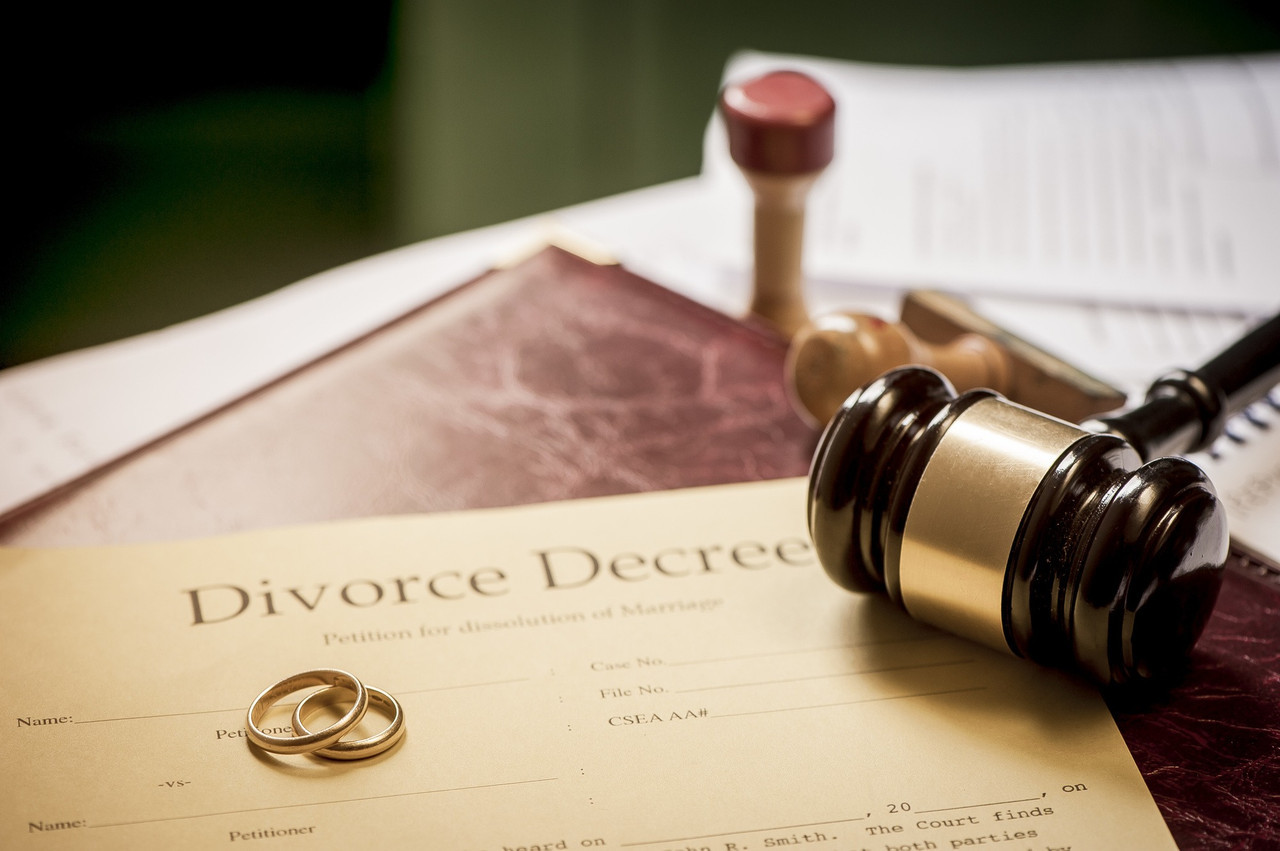

Divorce is a significant life decision that can bring emotional challenges, financial concerns, and important legal responsibilities. When a marriage reaches a point where separation becomes necessary, understanding the paperwork involved can help both individuals approach the process with greater clarity. Legal documents establish the formal basis for ending a marriage, communicate each party’s position, and help address matters such as property, financial support, child custody, and parenting arrangements. Although the process may initially appear complicated, learning about the documents required and the steps involved can make it more manageable.
Divorce papers are not limited to a single application or form. Depending on the jurisdiction, the circumstances of the marriage, and whether both spouses agree to separate, the paperwork may include a petition, a response, financial disclosures, supporting evidence, settlement agreements, and a final court order. Each document serves a particular purpose, and submitting incomplete or inaccurate information can create delays. Understanding these requirements before beginning the process can help individuals prepare responsibly, organize their records, and make more informed decisions about their future.
What Are Divorce Papers?
Divorce papers are legal documents used to initiate, respond to, or complete the process of legally ending a marriage. They provide information about the spouses, the marriage, the grounds or legal basis for divorce where applicable, and any issues that require a decision or agreement. These documents may be submitted to a family court, exchanged between the parties, or prepared as part of a settlement process, depending on the applicable legal system.
The exact paperwork varies by country and jurisdiction. Some legal systems offer standardized court forms, while others require applications and supporting documents prepared according to specific procedural rules. In an uncontested divorce, the spouses generally agree on the major terms of their separation, which may simplify the paperwork. A contested divorce can involve additional pleadings, financial evidence, court applications, and hearings. Therefore, identifying the correct procedure for the place where the marriage can legally be dissolved is an important first step.
Why Is Divorce Documentation Important?
Proper documentation creates an official record of the divorce proceedings and helps ensure that important matters are considered through the appropriate legal process. For example, if a couple has children, their paperwork may address parental responsibility, custody, visitation, and financial support. If the spouses own a home or share investments, relevant documents may help establish ownership, outstanding debts, and proposed arrangements for dividing property. Clear records can reduce misunderstandings and help the court evaluate the information presented by each party.
Accurate paperwork also protects procedural fairness. A spouse who receives an application generally needs to know what is being requested and may have a legal opportunity to respond. Incorrect names, missing signatures, incomplete disclosures, or improper service of documents can cause complications. Keeping copies of all submitted forms, court notices, financial records, and written agreements makes it easier to track progress and respond to requests. Good organization is particularly valuable when proceedings extend over several months or involve multiple financial and family-related issues.
Common Types of Divorce Papers
The documents required depend on the circumstances of the case, but several categories appear frequently in divorce proceedings. The following table explains their general purposes. Names and requirements may differ under local law.
| Document | Main purpose |
|---|---|
| Divorce petition or application | Formally requests that the marriage be dissolved |
| Response or reply | Records the other spouse’s position regarding the application |
| Marriage certificate | Helps establish that the marriage took place |
| Financial disclosure documents | Explain income, assets, debts, and relevant expenses |
| Parenting or custody proposal | Outlines proposed arrangements for children |
| Settlement agreement | Records agreed terms on financial and family matters |
| Final divorce order or decree | Confirms the legal outcome when issued by the competent authority |
Not every case requires every document in this table. For instance, a settlement agreement may be unnecessary when the court must decide disputed issues, while a financial disclosure may be required even when the spouses agree to divorce. It is important to distinguish documents used to begin proceedings from those needed to resolve disputes and the final order that legally concludes the case.
Essential Documents to Prepare Before Filing
Personal and Marriage Records
The first step is usually to collect reliable identification and marriage records. Depending on local requirements, these may include government-issued identification, proof of residence, a marriage certificate, and information about the date and place of marriage. If either spouse has changed their name, documents explaining that change may also be relevant. Where a marriage certificate is unavailable, the appropriate authority can explain whether a certified copy or alternative evidence is acceptable.
Individuals should also check whether the court requires original documents, certified copies, translations, or photocopies. Documents issued in another country may require additional authentication or translation, depending on the jurisdiction. Preparing these records in advance can prevent unnecessary delays and reduce the risk of submitting documents that the court cannot accept.
Financial Records
Financial documentation is particularly important when the spouses share property, savings, investments, loans, or household expenses. Relevant records may include salary statements, tax returns, bank statements, loan balances, property ownership documents, insurance information, retirement savings, and evidence of recurring expenses. The purpose is to create a reasonably complete picture of the financial circumstances that may affect support obligations or property arrangements.
It is equally important to disclose liabilities rather than focusing only on assets. A jointly owned property may have a substantial mortgage, and a bank account balance may not represent the couple’s full financial position. Individuals should not conceal assets, alter statements, or provide misleading information. Where financial circumstances are complicated, professional advice can help determine which records are relevant and how they should be presented.
How to File for Divorce Step by Step
Step 1: Understand the Applicable Legal Process
Before completing any forms, determine which court or authority has jurisdiction and what legal requirements apply. Rules may depend on where the spouses live, how long they have lived there, where the marriage occurred, and whether any special circumstances apply. Some jurisdictions have residence requirements or mandatory waiting periods. Others may distinguish between different grounds or procedures for dissolving a marriage.
People should also determine whether the case is expected to be mutual and uncontested or whether important issues remain disputed. This distinction influences the documents needed, the likely procedure, and whether legal representation may be especially useful. General information can help with preparation, but the actual requirements must be checked against the law applicable to the specific case.
Step 2: Complete the Required Forms Carefully
Once the correct procedure is identified, the applicant can prepare the relevant forms. Information should be consistent across all documents, particularly names, dates, addresses, marriage details, and information about children. If a form requests an explanation of the requested relief or the circumstances supporting the application, the response should be accurate, clear, and limited to relevant facts.
Before submitting the paperwork, review every page for missing information, incorrect entries, required attachments, and signature requirements. Do not guess when a question is unclear. Ask the court office or a qualified legal professional how the question should be addressed. If the jurisdiction requires a filing fee, confirm the amount and available payment methods, as well as whether a fee waiver may be available to eligible applicants.
Step 3: Submit the Application and Follow Service Rules
After the forms are completed, they must be submitted through the method permitted by the relevant authority. Depending on the court, this may involve an in-person filing, a designated electronic system, or another approved procedure. The applicant should keep confirmation of submission, copies of the documents, and any case number provided by the court.
The other spouse must generally receive formal notice of the proceedings according to the applicable rules. This process is often called service. The applicant should not assume that sending a message or handing over a copy personally satisfies the legal requirements. Some jurisdictions restrict who may serve documents and require proof that service occurred. Following the correct procedure helps protect each party’s right to participate and prevents avoidable procedural disputes.
Step 4: Respond to Requests and Resolve Disputed Issues
After the case begins, the court may require additional documents, financial disclosures, responses, or attendance at a hearing. The spouses may also need to negotiate issues involving property, maintenance, debts, or children. Where agreement is possible, a properly prepared settlement may narrow the matters requiring judicial determination. However, an agreement should be reviewed carefully to ensure that its terms are clear, lawful, and workable.
When disagreements remain, the court may consider evidence and hear each party’s position before making relevant decisions. Individuals should meet deadlines, preserve records, and communicate through appropriate channels. If a spouse fails to respond or attend a required hearing, the consequences can vary by jurisdiction and case circumstances. It is safer to obtain guidance rather than assume that a missed deadline will have no effect.
Step 5: Obtain and Safely Store the Final Order
Filing an application does not necessarily mean that a marriage has legally ended. The case may require additional steps, approval of an agreement, a hearing, or a final decision. Once the competent authority issues the final divorce order or equivalent document, the parties should read it carefully and understand when it takes effect and what obligations it creates.
The final order should be stored securely alongside important personal and financial records. Certified copies may be useful when updating records, dealing with financial institutions, addressing property matters, or proving a change in marital status. If either party believes the order contains an error or needs clarification, they should seek advice promptly because correction or appeal procedures may be subject to strict deadlines.
Mutual Consent and Contested Divorce
A mutual-consent divorce generally involves spouses who agree to end their marriage and can reach agreement on the issues that must be addressed. Depending on the legal system, they may jointly submit an application or follow a procedure that records their respective consent. Even when the relationship has ended amicably, the parties should carefully review financial responsibilities, property arrangements, and parenting plans before signing documents. An agreement that appears simple at first can have long-term consequences if important details are overlooked.
A contested divorce arises when the spouses disagree about the divorce itself, the legal grounds, financial matters, child arrangements, or other significant issues. These cases may require more extensive documentation and formal hearings. One party may need to provide evidence supporting a claim, while the other may have an opportunity to challenge that evidence. The process can take longer and involve additional expenses. Legal advice may be especially valuable when there are substantial assets, complicated debts, allegations of abuse, or disagreements concerning children’s welfare.
Common Mistakes to Avoid When Preparing Divorce Documents
Small administrative errors can create significant delays, particularly when court deadlines are involved. Some mistakes are easy to prevent if the paperwork is reviewed systematically before submission. Individuals should pay attention to the following issues:
- Leaving required fields blank or submitting unsigned forms.
- Providing inconsistent dates, names, addresses, or marriage details.
- Omitting relevant financial information or supporting records.
- Ignoring filing deadlines, hearing notices, or service requirements.
- Signing an agreement without understanding its legal consequences.
Another frequent mistake is assuming that a form used by a friend or relative will be suitable for every divorce case. Different jurisdictions may use different forms, and even cases within the same jurisdiction can have different requirements. Using outdated paperwork or relying on informal online examples may result in an application being rejected or returned for correction. Before filing, verify the current requirements with the relevant court or a qualified legal professional.
Special Considerations for Children, Property, and Safety
When children are involved, divorce documentation should focus on their welfare and practical needs. Proposed arrangements may address where children will live, how parenting time will be shared, how important decisions will be made, and how expenses will be handled. The court’s approach depends on the governing law, but the child’s best interests are an important consideration in many legal systems. Parents should provide accurate information and avoid using paperwork to make unsupported accusations or pressure the other parent.
Property and personal safety can also complicate the process. Joint homes, business interests, inherited assets, outstanding loans, and disputed ownership may require detailed financial evidence. If there are concerns about threats, coercion, or domestic abuse, the individual should prioritize safety and seek appropriate local support or legal protection. They may need advice about confidential contact details, protective orders, or safe methods of receiving legal notices. Not every issue can be resolved through the divorce application alone, so identifying related legal needs early is important.
Understanding Divorce Procedures in India
In India, divorce procedures depend on the law applicable to the marriage and the circumstances of the spouses. For example, the Hindu Marriage Act, 1955, provides for divorce by mutual consent under Section 13B for marriages covered by that Act. Other personal laws and the Special Marriage Act, 1954, may apply in different circumstances. The relevant provisions, court jurisdiction, procedural requirements, and available remedies should be checked for the particular marriage rather than assuming that one process applies to everyone.
Depending on the case, documents may include the marriage certificate or other proof of marriage, identity and address documents, photographs where required, details of children, financial information, and a petition or joint application. A mutual-consent case may also require statements or affidavits and compliance with applicable procedural steps. The required paperwork can vary by court and by the legal route used. Anyone preparing to file should confirm current local requirements and seek advice from a family-law professional if there is uncertainty about eligibility, maintenance, custody, property rights, or the effect of a proposed settlement.
Conclusion
Preparing for divorce involves more than completing a form. It requires understanding the applicable legal process, gathering accurate personal and financial records, meeting filing and service requirements, and addressing any outstanding issues involving children, property, or support. Organized documentation helps individuals understand their responsibilities, communicate their position clearly, and avoid delays caused by preventable mistakes. Before submitting divorce papers, verify the current rules of the relevant court or authority and make sure every document is complete and accurate. Keep copies of all submissions, follow deadlines, and obtain professional legal advice when the case involves contested issues or significant financial and family responsibilities. Careful preparation cannot remove every challenge associated with divorce, but it can make the legal process more understandable and help both parties move toward a clearer and more secure next chapter.