

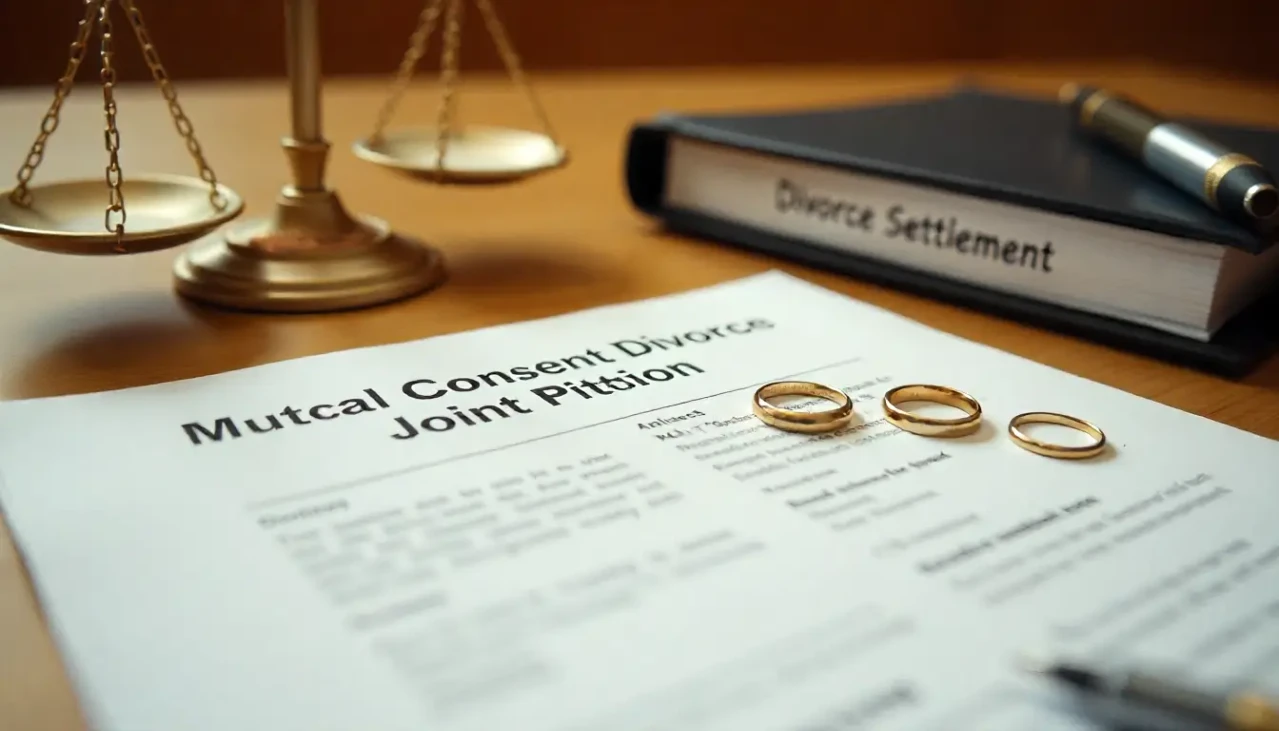

Ending a marriage is a significant personal decision that can involve emotional challenges, financial concerns, and important legal responsibilities. Understanding the divorce procedure before taking any formal steps can help individuals prepare the necessary documents, understand their rights, and make informed decisions about their future. Although the process may appear complicated initially, learning how the legal system works can make each stage easier to manage.
The exact process depends on the country, applicable marriage law, personal circumstances, and whether both spouses agree to separate. In India, for example, the process may differ depending on the personal law governing the marriage, including the Hindu Marriage Act, the Special Marriage Act, or other applicable legislation. Factors such as child custody, maintenance, property disputes, and disagreements between spouses can also affect how a case progresses.
A clear understanding of the legal requirements can help prevent unnecessary delays and confusion. From gathering marriage documents to attending court hearings and obtaining a final decree, every stage has a specific purpose. Preparing in advance and seeking appropriate legal guidance can help people approach this transition with greater confidence and clarity.
Understanding the Divorce Procedure in India
The divorce procedure is the legal process through which a marriage is formally dissolved by a competent court, where applicable under the governing law. It establishes the legal end of the marital relationship and may also address related matters such as financial support, child custody, visitation rights, and other disputes. Simply living separately or agreeing privately to end a marriage does not necessarily mean that the marriage has legally ended.
In India, the appropriate process depends on the law under which the marriage was solemnized and the circumstances of the spouses. For example, couples covered by the Hindu Marriage Act may follow its provisions, while marriages governed by the Special Marriage Act may involve a different set of statutory requirements. Muslim personal law and other applicable legal frameworks have their own rules concerning the dissolution of marriage. Therefore, identifying the relevant law is an essential first step before preparing a petition.
Types of Divorce and How They Differ
Mutual Consent Divorce
A mutual consent divorce generally applies when both spouses agree that their marriage should end and are willing to proceed through the applicable legal process. Under Section 13B of the Hindu Marriage Act, eligible couples can seek divorce by mutual consent if the statutory conditions are satisfied, including living separately for the required period and mutually agreeing that they cannot continue living together as spouses.
During this process, the spouses generally discuss practical matters before or while filing the petition. These may include financial maintenance, division or settlement of property-related claims, child custody, education expenses, and visitation arrangements. Reaching a clear understanding can reduce conflict and make the proceedings more manageable. However, the court must still examine the legal requirements and applicable circumstances before granting a divorce decree.
Contested Divorce
A contested divorce occurs when one spouse seeks a divorce and the other spouse disagrees with the request, or when the parties dispute important aspects of the case. Under applicable Indian marriage laws, the petitioner must establish a legally recognized ground for divorce. Depending on the law governing the marriage, grounds may include cruelty, desertion, adultery, or other grounds expressly recognized by legislation.
These cases may involve the filing of a detailed petition, a response from the other spouse, evidence, witness statements, arguments, and multiple hearings. If the spouses disagree about maintenance or custody, those issues may require additional consideration. A contested case can take considerably longer than a mutual consent matter, particularly when evidence is disputed, hearings are adjourned, or appeals are filed.
Step-by-Step Divorce Procedure
Understanding the sequence of legal steps can help spouses prepare for the process and avoid common mistakes. Although the details vary according to the applicable law and individual circumstances, the following stages provide a general overview of how divorce proceedings may work in India.
Step 1: Consult a Lawyer and Identify the Applicable Law
The first step is to understand which legal provisions apply to the marriage and whether the circumstances meet the requirements for divorce. A family lawyer can review the marriage details, the period of separation, the reasons for seeking divorce, and any related concerns involving children or finances. This initial discussion can help determine whether a mutual consent petition or a contested case is appropriate.
It is also an opportunity to understand possible outcomes, court jurisdiction, filing requirements, and estimated expenses. For example, a couple who agrees on separation but has not settled child custody arrangements may need to resolve those issues before or during the proceedings. Obtaining legal advice early can help clarify available options and reduce the risk of submitting an incomplete or incorrectly prepared petition.
Step 2: Collect the Required Documents
Documentation is an important part of the divorce procedure because the court needs sufficient information to consider the petition. The documents required depend on the applicable law, the grounds for divorce, and the issues involved. Before filing, spouses should organize their records and check whether additional evidence is necessary for their particular circumstances.
Commonly required documents and records may include:
-
Marriage certificate or other acceptable proof of marriage.
-
Identity and address documents of both spouses, where required.
-
Evidence of the period of separation or other relevant circumstances.
-
Financial records, income details, and supporting documents for maintenance or custody matters, where applicable.
-
Details of children, existing court orders, and relevant agreements, if any.
Not every case requires every item on this list, and the court may request additional information. In contested proceedings, evidence supporting the specific legal grounds can be particularly important. Documents should be accurate and authentic, and any disputed records should be discussed with a lawyer rather than altered or withheld improperly.
Step 3: Prepare and File the Divorce Petition
Once the relevant documents are available, the petition can be prepared according to the applicable law. It generally identifies the spouses, provides details about the marriage, explains the relevant facts, and states the legal basis for seeking divorce. Depending on the case, it may also include requests concerning maintenance, child custody, or other relief permitted by law.
The petition is filed before the court that has jurisdiction over the matter. Jurisdiction may depend on factors such as where the marriage took place, where the spouses last lived together, or where the respondent resides, subject to the specific statute and applicable rules. The court registry checks the filing for procedural compliance, and any defects may need to be corrected before the case proceeds. Accurate information at this stage helps prevent avoidable objections and delays.
Step 4: Court Review and Notice to the Other Spouse
After filing, the court examines the petition and determines the appropriate next steps. In a contested case, the other spouse is generally given notice and an opportunity to respond. The respondent may admit or dispute the allegations, raise relevant legal objections, or present a different account of the circumstances.
Both parties must follow court directions and comply with applicable deadlines. Depending on the nature of the dispute, the court may explore settlement or refer the parties to mediation. These efforts can help spouses resolve disagreements without a lengthy trial, although settlement is not appropriate or successful in every situation. The court’s priority remains the lawful resolution of the case and the fair consideration of relevant issues.
Step 5: Mediation, Evidence, and Hearings
When disagreements remain, the court may arrange mediation or other settlement efforts where appropriate. Mediation allows spouses to discuss practical solutions with the assistance of a neutral professional. Topics can include financial support, parenting arrangements, property-related claims, and communication about children. A settlement can reduce conflict, but neither spouse should be pressured into accepting terms they do not understand or consider fair.
If the dispute continues, the court may proceed with evidence and hearings. Each party may need to present documents, witness testimony, or other admissible evidence relevant to the legal issues. The judge considers the material presented and applies the relevant law. The number of hearings depends on the complexity of the case, the availability of evidence, court scheduling, and whether the parties comply with procedural requirements.
Step 6: Final Judgment and Divorce Decree
When the court is satisfied that the applicable legal requirements have been met, it may issue a judgment and grant a divorce decree. This decree is the formal legal document establishing the dissolution of the marriage. The order may also address related matters that were properly raised before the court, such as maintenance, custody, visitation, or other relief.
The parties should obtain and retain an official copy of the decree and carefully review any directions included in it. If a party believes that a legal error has occurred, an appeal or another remedy may be available, subject to the applicable law and time limits. A decree should not be confused with a private settlement or an informal statement that the marriage has ended.
Important Documents and Their Purpose
The following table summarizes common documents that may be relevant to divorce proceedings in India. The precise requirements depend on the governing law and the facts of the case.
| Document or record | Why it may be required |
|---|---|
| Marriage certificate or proof of marriage | Establishes details of the marital relationship. |
| Identity and address documents | Helps verify the parties’ identities and relevant addresses. |
| Divorce petition | Sets out the facts, legal grounds, and requested relief. |
| Financial records | Helps assess income, expenses, assets, and maintenance claims. |
| Children’s documents | May help the court consider custody, education, and welfare issues. |
| Relevant correspondence or other evidence | May support disputed facts or allegations, where legally admissible. |
| Existing court orders or settlement documents | Helps establish previous directions or agreed arrangements. |
Preparing documents in an organized manner makes it easier to respond to questions from a lawyer or the court. It is useful to keep copies of filed petitions, acknowledgments, notices, orders, and financial disclosures in a secure place. Sensitive information should be shared only through appropriate channels and with people who are authorized to handle it.
How Long Does the Divorce Procedure Take?
The time required to complete a divorce in India depends on whether the spouses agree to separate, whether the legal requirements are satisfied, and how quickly the court can process the case. A mutual consent divorce may be completed sooner than a contested case, but there is no universal timeline that applies to every marriage. Under Section 13B of the Hindu Marriage Act, the law provides for a second motion after the prescribed interval, generally between six and eighteen months from the filing of the first petition, subject to statutory conditions and applicable judicial decisions.
The six-month waiting period in eligible mutual consent cases may be waived by the court in appropriate circumstances, depending on the governing law and relevant judicial principles. A contested divorce may take considerably longer because the court must consider the disputed allegations, evidence, witness testimony, and other outstanding issues. Delays can also result from adjournments, incomplete documentation, settlement discussions, or appeals. Therefore, it is more useful to understand the stages involved than to rely on a fixed completion date.
Costs and Legal Expenses Involved
The financial cost of divorce varies according to the complexity of the matter, the lawyer’s fees, the number of hearings, and whether additional applications or disputes arise. A straightforward mutual consent case may involve fewer legal expenses than a contested matter requiring extensive evidence, repeated court appearances, or separate proceedings concerning maintenance and child custody. Court fees and other procedural expenses may also vary according to the applicable law and location.
Before beginning the process, individuals should discuss professional fees, payment arrangements, expected expenses, and the possibility of additional charges with their lawyer. They should also consider the financial consequences of separation, including housing, household expenses, childcare, outstanding loans, and ongoing maintenance obligations. Planning for these responsibilities can make the transition more manageable and help avoid financial decisions made under pressure.
Maintenance, Property, and Child Custody
Divorce can involve more than the formal dissolution of a marriage. Financial support, property-related claims, and the welfare of children may require careful attention. Depending on the applicable law, a spouse may be eligible to seek interim or ongoing maintenance, while the court may examine the parties’ income, financial needs, responsibilities, and other legally relevant circumstances. The outcome depends on the facts and the specific legal provisions that apply.
Property division is not necessarily an automatic, equal split of every asset in India. Ownership documents, contributions, the nature of the property, applicable personal law, and other circumstances can influence the legal position. Where children are involved, the court considers their welfare when determining custody and visitation arrangements. Parents should prioritize practical arrangements that support the child’s stability, education, health, and emotional needs. A clear and legally reviewed settlement can help reduce future disagreements.
Common Mistakes to Avoid During Divorce
People dealing with separation may make decisions quickly because of emotional stress, financial uncertainty, or pressure from relatives. However, careless decisions can create avoidable legal complications. Understanding the divorce procedure means recognizing the importance of accurate information, proper documentation, and informed consent throughout the process.
Some important precautions include:
-
Do not sign a settlement or financial agreement without understanding its terms and consequences.
-
Avoid hiding assets, submitting false documents, or making unsupported allegations.
-
Keep copies of petitions, notices, financial records, and court orders.
-
Follow court directions and seek legal advice before missing deadlines or withdrawing a claim.
It is equally important to protect personal privacy and communicate carefully when a dispute is ongoing. Threats, harassment, or attempts to intimidate the other spouse can worsen the situation and may have legal consequences. If there are concerns about domestic violence or immediate personal safety, seek appropriate professional and legal assistance. The goal should be to protect one’s rights while complying with the law.
Can You Complete a Divorce Without a Lawyer?
Whether a person can proceed without a lawyer depends on the applicable procedural rules and the circumstances of the case. Some individuals may be able to represent themselves in court where permitted, but this requires understanding the relevant law, preparing the petition correctly, meeting procedural deadlines, and presenting the case effectively. Even a matter that appears straightforward can become complicated if the court raises an objection or the parties disagree about a settlement.
Professional legal assistance can be particularly valuable when children, substantial assets, disputed allegations, maintenance claims, or cross-border issues are involved. Individuals who cannot afford private representation may explore eligibility for legal aid through the relevant legal services authority. The availability of assistance depends on applicable eligibility requirements. Seeking guidance early can help people understand their options before making decisions that may have lasting consequences.
Conclusion
Understanding the divorce procedure can help individuals approach a difficult life transition with greater preparation and confidence. The process generally involves identifying the applicable law, consulting a lawyer, gathering documents, filing a petition, attending hearings or mediation where necessary, resolving related disputes, and obtaining a final divorce decree. The precise requirements depend on the marriage, the applicable legislation, and the circumstances of each case. Whether spouses agree to separate or must resolve contested issues, careful preparation can help reduce avoidable delays and misunderstandings. Individuals should pay particular attention to financial arrangements, children’s welfare, documentation, and court deadlines. Because divorce laws and judicial interpretations can change, it is advisable to confirm the current requirements with a qualified family lawyer. Making informed decisions and following the correct legal process can help both parties move forward with greater clarity and stability.