

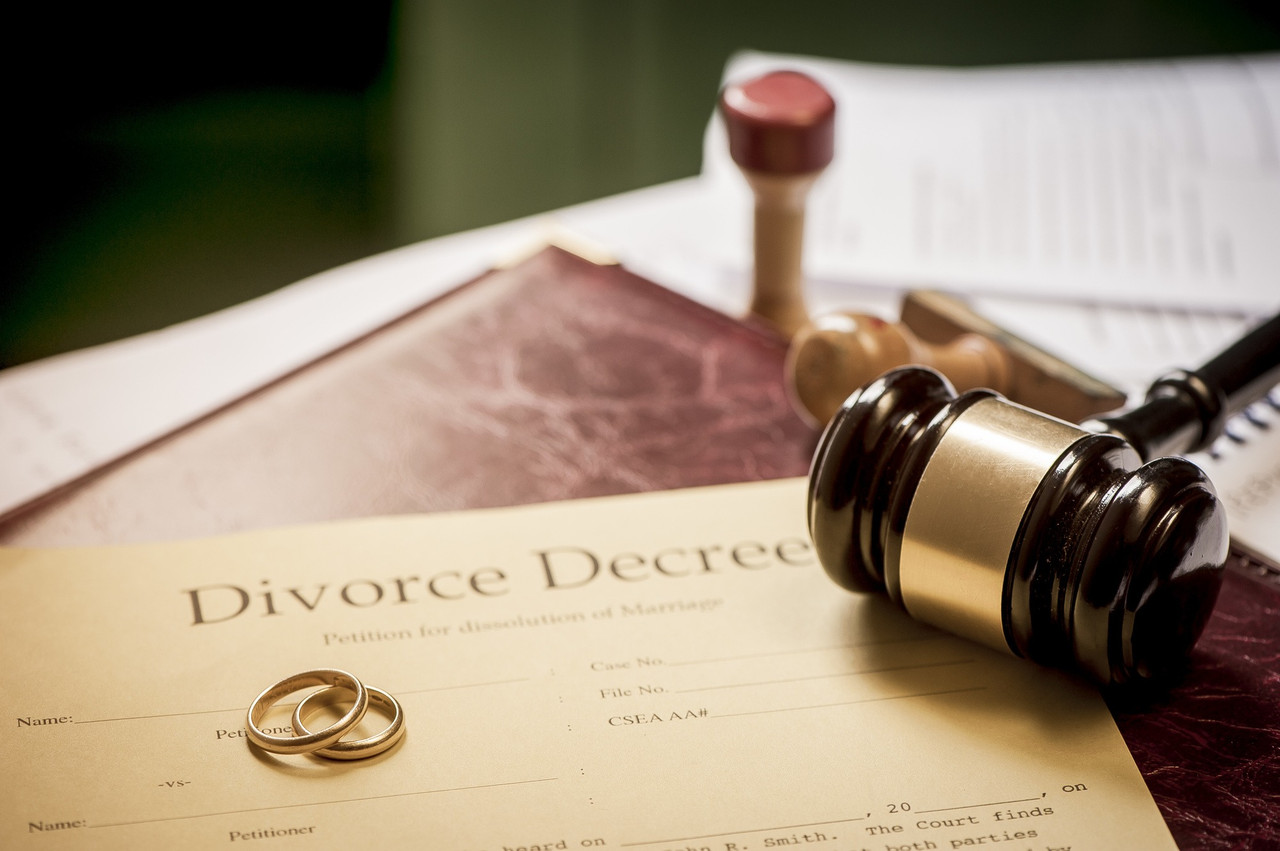

Ending a marriage is a significant life decision that involves emotional, financial, and legal considerations. Along with deciding how to move forward, couples often need to understand the documentation required to begin the legal process. Knowing which documents to prepare, where to submit them, and how the procedure works can make an otherwise confusing experience more manageable. Proper preparation also helps reduce delays, avoid incomplete applications, and ensure that both parties understand their legal responsibilities.
Divorce papers are the legal documents used to initiate, respond to, and complete the dissolution of a marriage. The exact paperwork depends on the country, applicable family law, the type of divorce, and whether both spouses agree on the terms. In India, for example, the process may differ depending on the personal law applicable to the marriage and whether the spouses seek divorce by mutual consent or through a contested proceeding. Understanding these differences before filing can help individuals make informed decisions and prepare for the next stage of their lives.
What Are Divorce Papers and Why Are They Important?
Legal documents connected with divorce establish the basis of the case, provide information about the marriage, and communicate the requests made by the spouses to the court. These documents may contain personal details, marriage information, grounds for seeking a divorce where applicable, financial disclosures, and arrangements concerning children. They create an official record that the court can examine before making decisions about the dissolution of the marriage and related matters.
The importance of accurate paperwork extends beyond simply opening a case. Incorrect names, inconsistent dates, missing supporting records, or incomplete financial information can lead to objections and additional hearings. For example, if a marriage certificate contains a spelling difference compared with a government identity document, the parties may need to explain or correct the discrepancy. Preparing the required documents carefully from the beginning can save time and help the court understand the circumstances more clearly.
Types of Divorce Papers You May Need
The paperwork required for a divorce depends primarily on how the case begins and whether the spouses agree on the outcome. Some documents are used to start proceedings, while others support financial claims, establish family relationships, or record the final decision. Not every couple needs every document, so identifying the applicable procedure is an important first step.
Mutual Consent Divorce Documents
A mutual consent divorce generally involves spouses who agree that their marriage should end and are willing to cooperate with the legal process. In India, the parties usually submit a joint petition under the applicable law, explaining that they have decided to seek dissolution of their marriage. Depending on the circumstances, the petition may also describe arrangements concerning maintenance, financial settlement, child custody, and visitation.
Supporting documents can include proof of marriage, identity and address records, photographs where required, and a written settlement agreement. The court may also require affidavits or additional declarations. The spouses should ensure that any settlement accurately reflects their understanding and does not leave important issues unresolved. Mutual consent does not automatically mean that the divorce will be granted immediately; statutory requirements, court procedures, and any applicable waiting-period rules must still be considered.
Contested Divorce Documents
A contested divorce arises when one spouse files a case and the other does not agree with the divorce or disputes important aspects of the claim. The spouse initiating the case generally submits a petition setting out the legally recognized grounds and relevant facts. The other spouse may receive notice and have an opportunity to file a response. Additional documents and evidence may be required as the proceedings develop.
Depending on the case, supporting material may include relevant communications, financial records, medical documents, witness information, or other evidence connected to the allegations. The court determines which evidence is relevant and admissible under the applicable law. People should avoid submitting altered records or making unsupported allegations, as these actions can damage credibility and complicate proceedings. Legal advice is particularly valuable when the facts are disputed or the consequences could affect property, children, or financial security.
Essential Documents Required for Divorce in India
In India, the exact requirements vary according to the applicable marriage law, the court handling the case, and the circumstances of the spouses. A marriage registered under a particular statute may involve different procedural requirements from a marriage governed by another personal law. Courts can also request additional information depending on the claims raised in the petition.
The following table summarizes common documents that may be needed. It is a general preparation guide rather than a universal list of mandatory documents.
| Document | Purpose |
|---|---|
| Marriage certificate | Helps establish the marriage and its registration details. |
| Identity proof | Confirms the identity of the parties. |
| Address proof | Helps establish residence and jurisdiction where relevant. |
| Marriage photographs or invitations | May support proof of the marriage if requested. |
| Joint petition or divorce petition | Formally presents the request for divorce to the court. |
| Financial records | Help establish income, expenses, assets, or maintenance claims. |
| Settlement agreement | Records agreed terms concerning finances, children, or other issues. |
| Children’s birth certificates | Establish the children’s identities and parentage where relevant. |
| Supporting evidence | Helps substantiate disputed facts or legal claims. |
Not every case requires every item listed above. For example, financial records may be especially important when maintenance or asset division is disputed, while children’s birth certificates may be relevant when custody or child support is involved. Before filing, individuals should confirm the exact checklist with the appropriate court or a qualified family-law professional.
How to Prepare Divorce Papers Correctly
Preparing the paperwork begins with collecting accurate information about the marriage and the circumstances leading to the decision. Individuals should verify names, dates, addresses, marriage details, and other information against available official records. Where documents are missing, they should determine whether certified copies, alternative evidence, or other legally acceptable records can be obtained. It is also important to keep copies of all submitted documents and maintain a record of filing acknowledgments and court notices.
The next step is to identify the correct legal procedure and prepare the petition in the required format. The petition should clearly explain the relevant facts and the relief being requested. If the matter involves children, financial support, or a settlement, those issues should be addressed carefully rather than left vague. Documents that require signatures, affidavits, notarization, or verification should be completed according to the applicable rules. Because procedural requirements can change and differ between courts, relying on an outdated form may create avoidable problems.
Steps Involved in Filing for Divorce
Although the process varies by jurisdiction, divorce proceedings generally follow a sequence that begins with preparation and ends with a legally recognized outcome. Understanding the broad stages can help individuals plan their time, organize their records, and prepare for communication with the court.
Step 1: Determine the Applicable Legal Process
The first step is to identify which law applies to the marriage and whether the circumstances support mutual consent or a contested proceeding. In India, the applicable process can depend on the statute governing the marriage and the grounds available under that law. Residence and jurisdiction are also important because the case must be filed in a court legally authorized to hear it.
Step 2: Collect Supporting Records
Once the process is identified, gather the marriage certificate, identification documents, address records, and other relevant evidence. Organize the paperwork in a logical order and check that names and dates are consistent. If financial arrangements or child-related matters are involved, collect the relevant supporting information early so that the petition and any proposed settlement accurately reflect the circumstances.
Step 3: File the Petition
The petition is submitted to the appropriate court according to its procedural requirements. Filing may involve prescribed forms, affidavits, copies of supporting documents, and applicable court fees. The court registry may examine the submission and identify deficiencies that need correction. Depending on the procedure, the next stage may involve court notices, service on the other spouse, or an initial hearing.
Step 4: Attend Hearings and Complete Requirements
The court may require the parties to appear, provide clarification, submit further documents, or participate in mediation where appropriate. In mutual consent cases, the court examines whether the legal conditions are satisfied and whether consent is genuine. In contested matters, the process may involve responses, evidence, witness examination, and legal arguments. The duration depends on the complexity of the case, the court’s workload, and the cooperation of the parties.
Step 5: Obtain and Preserve the Final Order
A divorce is legally concluded when the competent court grants the appropriate decree or order. Individuals should obtain an official copy and store it securely. This document may be needed for future administrative matters, financial arrangements, or proof of marital status. If either party believes the decision can be challenged, the applicable appeal rules and deadlines should be discussed promptly with a qualified lawyer.
Common Mistakes to Avoid When Filing
Errors in legal paperwork can result in unnecessary delays, additional expenses, or disputes that could have been prevented through better preparation. One common mistake is assuming that a general online template will automatically meet the requirements of every court. Another is overlooking financial obligations, property-related questions, or arrangements for children while concentrating only on obtaining the divorce. A complete approach considers both the immediate filing requirements and the practical consequences of the proposed outcome.
Before submitting the documents, pay attention to these common issues:
- Using incorrect names, addresses, dates, or marriage details.
- Submitting incomplete forms or failing to provide required supporting documents.
- Agreeing to financial or custody terms without understanding their consequences.
- Ignoring court notices, hearing dates, or directions to provide additional information.
- Making inaccurate statements or presenting altered evidence.
Careful review is especially important when one spouse is unwilling to cooperate or when there are concerns about financial transparency, domestic abuse, or the safety of children. In such circumstances, individuals should seek appropriate legal assistance rather than relying solely on informal agreements.
Costs and Time Required for the Divorce Process
The cost of a divorce depends on the legal procedure, court fees, professional charges, documentation expenses, and complexity of the dispute. A mutual consent case may be less expensive than a contested case because the parties have resolved many issues in advance. However, this is not guaranteed. Disagreements about maintenance, property, child custody, or the authenticity of consent can increase both expenses and the time required to complete the proceedings.
The timeline also varies considerably. Some cases proceed more efficiently when the paperwork is complete and both parties cooperate, while others require multiple hearings or extensive evidence. In India, statutory provisions may include a waiting period for certain mutual consent proceedings, subject to the applicable law and relevant judicial decisions. Individuals should not assume that every case follows the same schedule or that a particular waiting period can always be waived. A lawyer familiar with the relevant court can provide a more realistic assessment based on the circumstances.
Privacy and Safe Handling of Legal Documents
Divorce proceedings can involve sensitive personal, financial, and family information. Documents may contain identity numbers, residential addresses, bank details, children’s information, medical records, and private communications. These records should be shared only with people who have a legitimate role in the matter, such as the relevant legal professional or court authority. Unnecessary distribution can expose individuals to identity theft, harassment, or misuse of confidential information.
When keeping digital copies, use secure devices and strong account protection. Avoid sending sensitive documents through unverified channels or leaving printed records where other people can access them without permission. Individuals facing intimidation or domestic abuse should consider whether their devices, email accounts, or physical mail are being monitored. Where safety is a concern, a qualified legal professional or appropriate support service can help identify safer ways to communicate and preserve evidence.
When Should You Consult a Divorce Lawyer?
Professional legal assistance can be useful even when the spouses agree that the marriage should end. A lawyer can help determine the applicable law, prepare or review the petition, explain court procedures, and identify issues that may need to be addressed before a settlement is signed. This is particularly important when the parties have children, own property together, have substantial financial differences, or disagree about maintenance and other responsibilities.
Legal guidance becomes even more valuable in contested cases involving disputed allegations, hidden assets, international residence, or concerns about coercion. A lawyer can explain the available legal options without guaranteeing a particular outcome. People who cannot afford private representation may investigate whether they qualify for assistance through the relevant legal services authority in their area. The objective is to understand one’s rights and obligations before making decisions that may have lasting consequences.
Conclusion
Understanding the legal paperwork involved in ending a marriage can make the process clearer and more manageable. From the initial petition to supporting evidence and the final court decree, each document serves a specific purpose in establishing facts and helping the court determine the matter. The requirements are not identical for every couple, so the applicable law, the type of proceeding, and any disputes concerning children or finances must be considered before filing. Preparing divorce papers carefully, checking the accuracy of personal information, organizing supporting records, and following court directions can help prevent avoidable delays. Just as importantly, individuals should take time to understand the consequences of financial settlements and family arrangements before agreeing to them. With reliable information, thoughtful preparation, and suitable legal guidance, people can approach the process more confidently and make informed decisions about their future.