

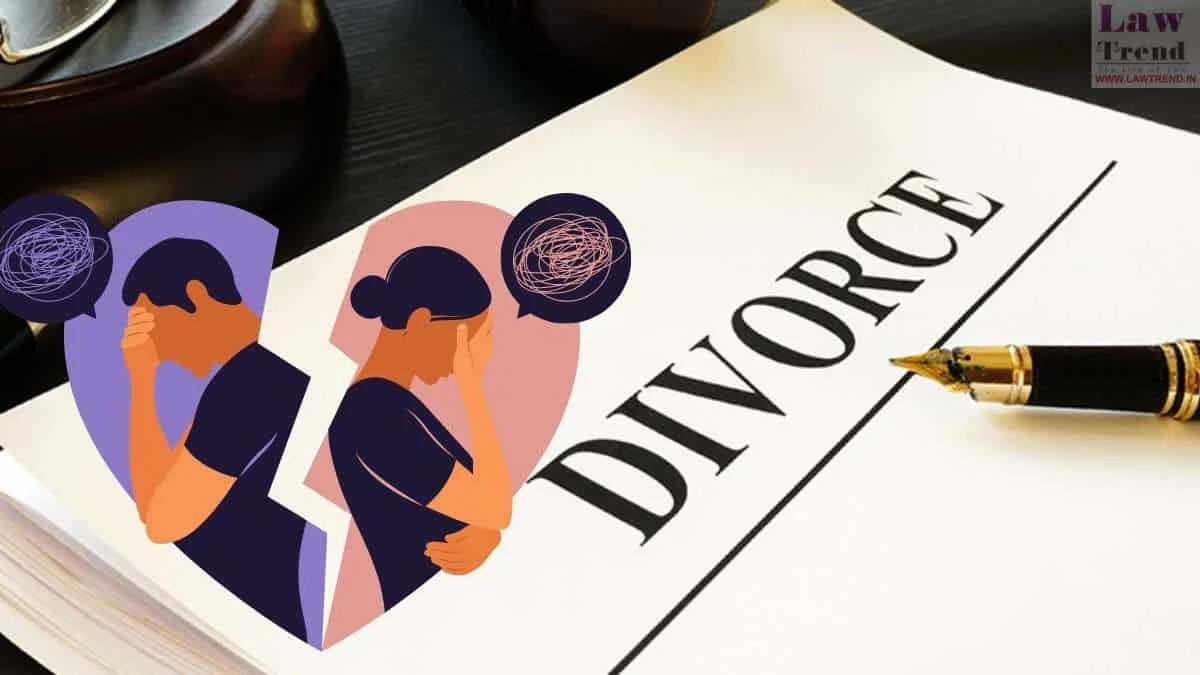

Marriage has traditionally been considered a lifelong commitment in Indian society, closely connected with family relationships, cultural values, social expectations, and community traditions. For generations, many couples remained married despite facing personal disagreements or serious relationship difficulties because divorce was often associated with social stigma, financial insecurity, and family pressure. However, changing lifestyles, greater awareness of personal rights, women’s increasing financial independence, and evolving expectations from relationships have gradually influenced how Indians approach marriage and separation.
The divorce rate in India remains relatively low compared with that of many countries, but understanding this statistic requires more than looking at the number of couples who separate. Official divorce figures do not always capture couples living separately, those experiencing unhappy marriages, or partners who have not formally initiated legal proceedings. Consequently, the available numbers provide only part of the picture of marital relationships across the country.
In the current social environment, conversations about marriage, compatibility, emotional well-being, and individual independence are becoming more open. Younger generations increasingly consider mutual respect and emotional connection essential to a successful partnership. Examining the divorce rate in India helps explain these changes while highlighting the economic, cultural, legal, and personal factors that influence decisions about staying married or pursuing separation.
Understanding the Divorce Rate in India
The divorce rate is a measure used to understand how frequently marriages end in legal dissolution within a particular population or period. It can be expressed as the number of divorces per 1,000 people in a year or as a percentage of marriages that eventually end in divorce. These measurements are different, and confusing them can create misleading conclusions about the stability of marriages.
India is often described as a country with a low divorce rate, with commonly reported estimates suggesting that roughly 1% or fewer marriages end in divorce. However, this frequently repeated figure should be interpreted cautiously because India does not have a single, comprehensive, regularly updated national dataset that captures every divorce and provides a definitive nationwide percentage of marriages ending in divorce. Registration practices, population differences, regional reporting, and the distinction between annual divorce counts and lifetime marital outcomes all affect the available estimates.
Another important consideration is that a low reported divorce rate does not automatically mean that every marriage is healthy or satisfying. Some couples continue living together because of their children, financial responsibilities, family expectations, religious beliefs, or concerns about social acceptance. Others may separate without completing legal proceedings. Therefore, statistics should be considered alongside the broader realities of family life.
Why Divorce Statistics in India Require Careful Interpretation
The Difference Between Divorce Counts and Divorce Rates
A divorce count represents the total number of legal divorces recorded during a specific period. A divorce rate places that number in the context of a population or another relevant measurement. For example, a country with a large population may record more divorces in absolute numbers than a smaller country while still having a lower divorce rate per 1,000 people.
The percentage of marriages that end in divorce is another separate measurement. Calculating it accurately requires information about marriages over time and the proportion that eventually dissolve. Dividing divorces recorded in one year by marriages registered in that same year does not provide a reliable lifetime divorce percentage because those divorces generally involve marriages that began in earlier years.
The Role of Social and Legal Barriers
Formal divorce proceedings can involve legal expenses, court appearances, documentation, and lengthy negotiations over property, maintenance, and child custody. For households with limited financial resources, these requirements may make separation difficult. People living in smaller towns or rural communities may also face stronger social pressure to preserve a marriage, even when the relationship has become deeply unhappy.
These barriers influence the interpretation of the divorce rate in India. The number of completed divorces reflects not only relationship breakdowns but also the willingness and ability of individuals to seek legal separation. A more complete understanding must consider the people who remain married, those who live separately, and those who pursue formal divorce.
Major Causes Behind Divorce in India
1. Communication Problems and Emotional Distance
Communication is one of the most important foundations of a successful marriage. When partners struggle to express their feelings, listen to each other, or resolve disagreements respectfully, small misunderstandings can gradually become serious conflicts. Differences over household responsibilities, personal boundaries, career choices, or relationships with extended family may create frustration when couples cannot discuss them openly.
For example, one partner may expect emotional support after a stressful working day, while the other may believe that providing financial security is the primary responsibility of marriage. Neither expectation is necessarily unreasonable, but failing to understand each other’s needs can lead to disappointment. Over time, repeated arguments, silence, and a lack of emotional intimacy may weaken the relationship.
2. Financial Stress and Economic Independence
Financial disagreements can place considerable pressure on married couples. Rising living costs, housing expenses, loan repayments, unemployment, and differences in spending habits can create tension, particularly when a household has limited savings. Conflicts may also arise when one partner controls the family’s finances or when couples disagree about supporting relatives, purchasing property, or planning for children.
Economic independence has also changed how some people approach difficult marriages. When individuals, particularly women, have their own income and professional opportunities, they may have greater practical ability to leave an unhealthy relationship. This does not mean that financial independence automatically increases divorce. Instead, it can give individuals more choices when deciding whether a marriage is sustainable and respectful.
3. Domestic Violence, Abuse, and Lack of Respect
Abuse is a serious reason some people seek separation or divorce. It may involve physical violence, threats, emotional humiliation, coercive control, financial restrictions, or other harmful behaviour. A relationship can become unsafe even when there is no visible physical injury, especially when one partner repeatedly intimidates or controls the other.
Greater awareness of personal rights and access to support services can help people recognise that abuse should not be treated as an unavoidable part of married life. Although family members sometimes encourage reconciliation, personal safety must take priority. The low reported divorce rate in India should never be interpreted as evidence that abuse is uncommon or that people should remain in unsafe relationships.
4. Changing Expectations and Compatibility
Modern relationships often involve expectations that differ from those held by earlier generations. Many couples want emotional closeness, shared decision-making, equal participation in household responsibilities, and freedom to pursue individual ambitions. Problems can emerge when partners enter marriage with different expectations about parenting, intimacy, careers, religion, lifestyle, or the role of extended family.
Arranged marriages and love marriages can both experience compatibility problems. Knowing someone before marriage does not guarantee that the couple will agree on every major decision, while an arranged introduction does not automatically mean that two people are incompatible. Long-term satisfaction depends on mutual understanding, realistic expectations, respect, and the willingness to adapt as circumstances change.
Divorce Rate in India: Regional and Urban-Rural Differences
India’s cultural, economic, and social diversity means that marriage and divorce cannot be understood through a single national pattern. Metropolitan areas may offer greater financial independence, more access to legal services, and wider social acceptance of individual choices. These factors can make it easier for some couples to pursue formal separation when their relationship breaks down.

In smaller towns and rural communities, family networks and community expectations may play a stronger role in decisions about marriage. However, these differences should not be exaggerated. Urban couples also face financial pressures and social stigma, while rural couples may make independent decisions about their relationships. Regional divorce figures can additionally reflect differences in population size, registration practices, access to courts, and reporting.
The following table summarises the major factors that influence how divorce statistics should be understood.
| Factor | Possible influence on reported figures |
|---|---|
| Urbanisation | Access to legal services and changing social attitudes may affect formal divorce decisions. |
| Financial independence | Greater personal resources may make separation more practical. |
| Family expectations | Social pressure can discourage some people from pursuing divorce. |
| Legal access | Costs, documentation, and court delays may affect formal proceedings. |
| Cultural differences | Marriage traditions and community attitudes vary across regions. |
| Reporting practices | Differences in registration and data collection affect comparisons. |
The key point is that differences in recorded divorces do not necessarily reveal the full quality of relationships in a region. Reliable comparisons require consistent definitions, comparable population data, and information collected over similar periods.
How Marriage and Family Values Are Changing in India
Greater Emphasis on Individual Choice
Indian society continues to place considerable value on marriage and family, but attitudes toward personal choice are evolving. Many young adults increasingly consider emotional compatibility, shared values, professional goals, and mutual respect when choosing a partner. They may also be more willing to discuss issues such as personal space, household responsibilities, and financial planning before marriage.
These changes can improve marital relationships when couples communicate honestly and establish realistic expectations. At the same time, greater awareness of personal choices can make some individuals less willing to tolerate persistent conflict, disrespect, or harmful behaviour. The result is not simply that marriages are becoming less stable; rather, expectations about what makes a marriage acceptable and fulfilling are changing.
The Influence of Education and Women’s Empowerment
Education can help individuals understand their legal rights, develop communication skills, and make informed decisions about family life. Employment opportunities can provide financial security and reduce dependence on a spouse or extended family. For women who previously had limited options, these changes can make it easier to seek advice, access support, and make decisions about an unhealthy marriage.
However, education and employment do not guarantee a happy relationship or lead inevitably to divorce. Many educated and financially independent couples maintain long-lasting marriages. What matters is how partners balance their ambitions, share responsibilities, and respond to differences. A healthy relationship generally requires both people to recognise each other’s contributions rather than assuming that one partner must sacrifice personal goals to preserve the household.
The Legal Process of Divorce in India
Divorce in India is governed by different legal provisions depending on the applicable personal law and the circumstances of the marriage. For example, the Hindu Marriage Act, 1955, provides a legal framework for eligible Hindu marriages, while the Special Marriage Act, 1954, governs civil marriages covered by that legislation. Other personal laws and legal provisions may apply to other communities and situations.
A divorce may be contested, meaning that the spouses disagree about the grounds or terms of separation, or it may proceed by mutual consent when the legal requirements are satisfied. Matters involving maintenance, financial arrangements, children’s custody, and visitation can also affect the proceedings. The applicable law, facts of the case, and court procedures determine how an individual matter is handled.
The process can be emotionally demanding because it may involve financial uncertainty, family disagreements, and decisions about children. Seeking qualified legal advice can help people understand their rights and responsibilities before making important decisions. Mediation or counselling may also help couples resolve disagreements where appropriate, but reconciliation should never be treated as a requirement when a person is experiencing abuse or faces a genuine safety risk.
How Couples Can Reduce the Risk of Marital Conflict
Not every disagreement leads to separation. Many couples experience stressful periods and find ways to strengthen their relationship through communication, cooperation, and realistic expectations. Addressing problems early can prevent resentment from building and help partners understand whether their differences can be resolved.
Practical steps that may support a healthier marriage include:
-
Discuss finances, career goals, children, and household responsibilities openly before and during marriage.
-
Make time for meaningful conversations instead of allowing work and family pressures to dominate every interaction.
-
Establish respectful boundaries with relatives and agree on how important family decisions will be made.
-
Consider professional couples counselling when both partners feel safe and are willing to work on recurring problems.
-
Seek appropriate professional or legal support when conflict involves intimidation, abuse, or serious financial concerns.
These steps are not a guarantee that every marriage will succeed. Some differences are difficult to resolve, and separation may ultimately be the healthiest choice for one or both partners. The objective should be to build a relationship based on mutual respect and safety, rather than preserving the appearance of a successful marriage at any cost.
The Impact of Divorce on Children and Families
When a marriage ends, its effects can extend beyond the couple. Children may experience confusion, anxiety, or uncertainty about their future, particularly when parents argue frequently or involve them in adult disagreements. The financial consequences can also be significant because maintaining two households may require adjustments to housing, education, childcare, and everyday expenses.

However, divorce does not automatically mean that children will have poor outcomes. A home characterised by persistent hostility or abuse can also be harmful. When separation is unavoidable, parents can help children by explaining the situation in an age-appropriate manner, maintaining predictable routines, avoiding blame, and protecting them from ongoing conflict. Decisions about custody and contact should prioritise the child’s welfare and follow the applicable legal framework.
Adults may also experience loneliness, financial pressure, changes in social relationships, and uncertainty about starting over. Support from trusted friends, family members, counsellors, and qualified professionals can make the transition more manageable. Recognising these challenges helps families approach divorce with greater care and less unnecessary stigma.
What the Future May Hold for Marriage in India
The future of marriage in India will likely be shaped by continuing changes in education, employment, technology, urbanisation, and expectations about gender roles. Online communication and dating platforms may influence how people meet potential partners, while changing work patterns and migration can affect how couples manage time, distance, and family responsibilities.
It would be misleading, however, to predict that divorce will inevitably rise at a particular speed. Reliable conclusions require current, comparable data collected over time. Changes in the number of legal divorces may reflect shifts in relationship outcomes, greater willingness to pursue legal remedies, improved reporting, or a combination of these factors. Without examining the underlying data, a simple increase or decrease cannot explain the full story.
More importantly, the quality of marriages should not be measured solely by how many remain legally intact. Strong relationships depend on trust, respect, shared responsibility, emotional security, and the freedom to make important decisions without fear. Greater awareness of these values can benefit couples regardless of whether divorce becomes more or less common.
Conclusion
The divorce rate in India provides an important starting point for understanding how marriage and family relationships are evolving, but it cannot fully explain the experiences of millions of couples. India is often described as having a relatively low divorce rate, yet the absence of a definitive, regularly updated national measure of lifetime divorce outcomes makes precise claims difficult. Legal divorces, informal separations, and unhappy marriages represent different realities that should not be confused. Communication difficulties, financial stress, domestic abuse, incompatible expectations, and changing social attitudes can all influence marital decisions. At the same time, education, financial independence, legal awareness, and access to professional support can help people make more informed choices about their relationships. These developments do not mean that marriage has lost its importance in Indian society; they reflect a growing emphasis on the quality of the partnership.