


In today’s digital economy, consumers purchase products and services through physical stores, websites, mobile applications, and social media platforms. While shopping has become more convenient than ever, consumers also face challenges such as misleading advertisements, defective products, hidden charges, delayed deliveries, data privacy concerns, and poor customer service. This makes consumer protection more important than ever before.
Many people often ask, what is consumer rights and why these rights are important in everyday life. Consumer rights are legal protections that safeguard buyers from unfair business practices and ensure that they receive quality products and services. These rights empower consumers to make informed decisions and seek remedies when businesses fail to meet their obligations.
As markets become increasingly competitive and technology-driven, understanding consumer rights helps individuals protect their money, personal information, and overall interests. Whether purchasing groceries, electronics, insurance policies, or online subscriptions, every consumer benefits from knowing these fundamental rights.
What Is Consumer Rights?
The answer to what is consumer rights is simple: consumer rights are the protections and entitlements granted to buyers of goods and services. These rights ensure that consumers are treated fairly, receive accurate information, and have access to remedies when they suffer loss or harm due to defective products or unfair business practices.
Consumer rights establish a balance between businesses and customers. Without these protections, consumers could become vulnerable to fraud, false advertising, unsafe products, and exploitation. Governments across the world have enacted consumer protection laws to ensure transparency, accountability, and fairness in the marketplace.
In the current scenario, consumer rights extend beyond traditional purchases. They now cover online transactions, digital services, e-commerce platforms, data privacy concerns, and subscription-based services. As technology evolves, consumer protection frameworks continue to adapt to emerging challenges.
Why Consumer Rights Are Important
Consumer rights play a crucial role in creating trust between businesses and customers. When consumers know they are protected by law, they are more confident about making purchases and engaging with businesses.
These rights help prevent unethical practices such as misleading advertisements, counterfeit products, hidden fees, and unfair contract terms. They also encourage companies to maintain quality standards and improve customer service. Businesses that respect consumer rights often enjoy stronger customer loyalty and a better reputation.
In modern markets, consumers have access to countless products and services. However, more choices also mean more risks. Understanding what is consumer rights enables individuals to identify unfair practices and take appropriate action when necessary.
Fundamental Consumer Rights
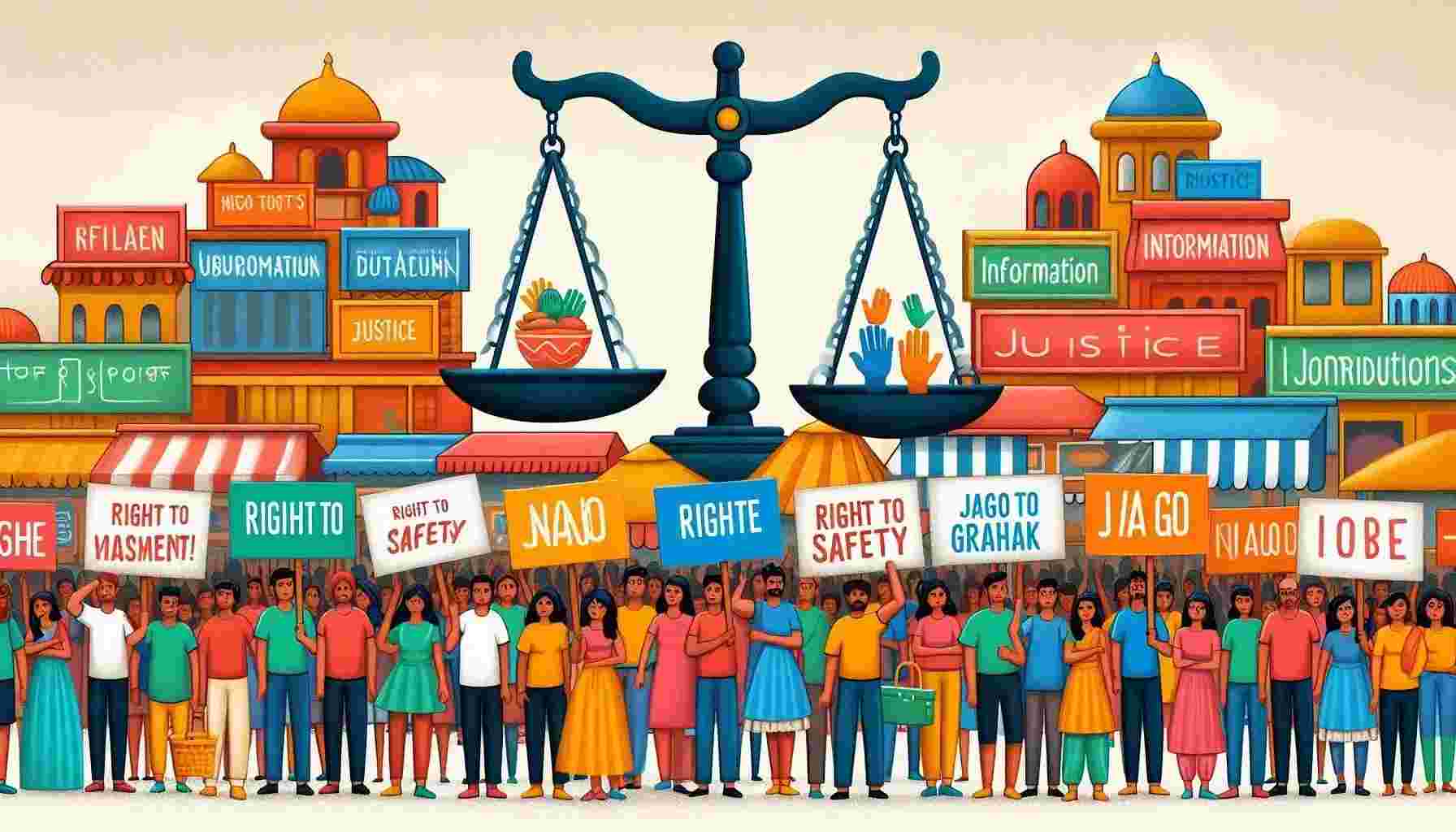
The concept of consumer rights is based on several fundamental protections recognized globally. These rights serve as the foundation of consumer protection laws.
Right to Safety
Consumers have the right to be protected from products and services that may endanger their health, life, or property. Manufacturers and service providers must ensure that their offerings meet safety standards before reaching the market.
For example, electrical appliances should comply with safety regulations, and food products must meet quality and hygiene requirements. Unsafe products can lead to recalls, penalties, and legal action against businesses.
Right to Information
One of the most important aspects of what is consumer rights is the right to accurate and transparent information. Consumers should receive complete details regarding product quality, ingredients, pricing, warranty terms, risks, and usage instructions.
This right enables consumers to make informed purchasing decisions and reduces the likelihood of deception through false or misleading advertisements.
Right to Choose
Consumers should have access to a variety of products and services at competitive prices. Businesses should not engage in monopolistic practices that limit consumer choice or force buyers into unfair agreements.
A healthy competitive market benefits consumers by encouraging innovation, better quality, and fair pricing.
Right to Be Heard
Consumers have the right to express complaints, concerns, and opinions regarding products and services. Businesses and regulatory authorities must provide mechanisms for addressing customer grievances effectively.
This right ensures that consumer voices are considered in policy decisions and dispute resolution processes.
Right to Seek Redressal
When consumers suffer losses due to defective products, poor services, or unfair trade practices, they have the right to seek compensation or corrective action.
Possible remedies include refunds, replacements, repairs, compensation, or other forms of relief depending on the circumstances of the case.
Consumer Rights and Modern Digital Commerce
The rapid growth of e-commerce has transformed consumer behavior. Millions of people now shop online for everything from groceries to financial services. As a result, consumer rights have expanded to address digital transactions and online marketplaces.
Online consumers face challenges such as fake reviews, counterfeit products, misleading product descriptions, unauthorized charges, and data security risks. Consumer protection laws increasingly require digital platforms to provide transparency, accurate product information, secure payment systems, and accessible complaint mechanisms.
Understanding what is consumer rights in the digital age also involves recognizing privacy rights. Consumers expect businesses to collect, store, and use personal data responsibly. Companies that misuse customer information may face legal consequences and reputational damage.

Consumer Rights and Consumer Responsibilities
While consumers enjoy various protections, they also have certain responsibilities. Responsible consumer behavior contributes to a fair and efficient marketplace.
Some important consumer responsibilities include:
- Reading product labels, terms, and conditions before making purchases.
- Keeping invoices, receipts, and warranty documents for future reference.
- Reporting unsafe products or unfair practices to relevant authorities.
- Using products according to manufacturer instructions.
- Staying informed about consumer laws and available remedies.
When consumers fulfill these responsibilities, they are better positioned to exercise their rights effectively.
Consumer Rights at a Glance
| Consumer Right | Purpose | Practical Example |
|---|---|---|
| Right to Safety | Protection from harmful products | Safe electrical appliances |
| Right to Information | Access to accurate details | Clear product labeling |
| Right to Choose | Availability of alternatives | Multiple brands in a market |
| Right to Be Heard | Opportunity to raise complaints | Customer grievance systems |
| Right to Seek Redressal | Remedy for losses and damages | Refund or compensation |
| Right to Consumer Education | Awareness of rights and laws | Consumer awareness campaigns |
Common Violations of Consumer Rights
Despite legal protections, consumer rights violations continue to occur across industries. Recognizing these issues helps consumers respond effectively.
Misleading Advertisements
Some businesses exaggerate product benefits or hide important information to attract customers. Such practices can mislead consumers into making purchasing decisions based on inaccurate claims.
Defective Products
Products that fail to perform as promised or contain manufacturing defects may cause financial loss and inconvenience. In serious cases, defective products can pose health and safety risks.
Hidden Charges
Unexpected fees and charges are common complaints among consumers. Transparency in pricing is essential to ensure fairness and informed decision-making.
Poor After-Sales Service
Businesses are expected to honor warranties, guarantees, and service commitments. Failure to provide adequate after-sales support may constitute a violation of consumer rights.
How Consumers Can Protect Their Rights
Knowing what is consumer rights is only the first step. Consumers must also understand how to protect these rights in practical situations.
Before making a purchase, consumers should research products, compare options, and verify seller credibility. Reading customer reviews and checking product specifications can help avoid potential issues.
After purchasing a product or service, consumers should retain receipts, invoices, warranties, and communication records. These documents can serve as evidence if a dispute arises later.
If a problem occurs, consumers should first contact the seller or service provider and seek a resolution. Many disputes can be resolved through direct communication. If the issue remains unresolved, consumers may approach consumer protection authorities or legal forums for assistance.
Consumer Rights in 2026: Emerging Trends
The future of consumer protection is being shaped by technological innovation and changing market dynamics. Artificial intelligence, digital payments, subscription services, and online marketplaces are creating new opportunities as well as new risks.
Regulators worldwide are focusing on stronger digital consumer protections, enhanced data privacy regulations, and greater accountability for online platforms. Businesses are increasingly required to disclose how algorithms influence pricing, recommendations, and decision-making processes.
Sustainability is also becoming an important aspect of consumer rights. Consumers now expect transparent information about environmental impact, ethical sourcing, and product sustainability claims. Governments and regulatory agencies are working to prevent greenwashing and promote accurate environmental disclosures.
As markets evolve, understanding what is consumer rights remains essential for navigating complex purchasing environments and protecting individual interests.
FAQs
What is consumer rights in simple words?
Consumer rights are legal protections that ensure buyers receive safe products, accurate information, fair treatment, and remedies when goods or services fail to meet expected standards.
Why are consumer rights important?
Consumer rights protect individuals from fraud, defective products, misleading advertisements, and unfair business practices. They promote fairness, transparency, and accountability in the marketplace.
Who is considered a consumer?
A consumer is a person who purchases goods or services for personal use rather than for resale or commercial purposes. Consumer protection laws generally apply to such individuals.
Can online shoppers claim consumer rights?
Yes. Consumer rights apply to online purchases as well. E-commerce customers are entitled to accurate product information, secure transactions, fair pricing, and appropriate remedies for defective products or poor services.
What should I do if my consumer rights are violated?
You should keep all purchase records, contact the seller, and attempt to resolve the issue directly. If the problem remains unresolved, you can seek assistance from consumer protection authorities or consumer dispute resolution forums.
How does consumer education help consumers?
Consumer education increases awareness about rights, responsibilities, and available remedies. Informed consumers are better equipped to make smart purchasing decisions and protect themselves from unfair practices.
Conclusion
Understanding what is consumer rights is essential in today’s fast-changing marketplace. Consumer rights provide a framework that protects individuals from unfair practices, unsafe products, misleading information, and poor service. These protections promote trust, transparency, and accountability across industries.
As digital commerce continues to expand and new technologies reshape consumer experiences, awareness of consumer rights becomes even more valuable. Informed consumers are better equipped to make confident purchasing decisions, identify unfair practices, and seek appropriate remedies when necessary. By understanding and exercising these rights responsibly, consumers contribute to a fairer and more balanced marketplace for everyone.
Read More:-Consumer Awareness Consumer Rights Guide