



Marriage is an important personal and legal commitment, but sometimes relationships reach a stage where separation becomes the most practical decision for both individuals. When couples decide to end their marriage, understanding the legal process is essential to avoid unnecessary confusion, delays, and disagreements. One of the first things people need to understand is the paperwork involved in legally dissolving a marriage. These documents establish the background of the relationship, explain the reasons for separation, and provide the court with the information required to consider the case.
In India, divorce proceedings are governed by different personal laws depending on the religion and legal circumstances of the individuals involved. The Hindu Marriage Act, 1955, the Special Marriage Act, 1954, and other applicable laws provide different legal frameworks for ending a marriage. Preparing the correct documents, understanding court procedures, and addressing financial and family responsibilities can make the process more organized. Whether a couple agrees to separate peacefully or one spouse files a contested case, proper documentation plays an important role throughout the proceedings.
Understanding the Purpose of Divorce Documentation
Divorce documentation refers to the collection of legal forms, supporting records, statements, and agreements required during the process of ending a marriage. These documents help establish the identity of both spouses, confirm that a legally recognized marriage exists, and provide relevant information about the circumstances of the separation. They also help courts examine important matters such as maintenance, child custody, property disputes, and other responsibilities that may continue after the relationship ends.
The purpose of these documents goes beyond simply requesting the termination of a marriage. They create an official record of the proceedings and help ensure that both parties receive an opportunity to present their positions. For example, a couple seeking separation by mutual agreement may need to provide details about their financial settlement and arrangements for their children. In a disputed case, the applicant may need to submit supporting evidence relating to the legal grounds for seeking divorce. Accurate information is therefore essential at every stage.
Types of Divorce Procedures in India
Mutual Consent Divorce
Mutual consent divorce is generally considered a more cooperative approach because both spouses agree that their marriage should legally end. Under Section 13B of the Hindu Marriage Act, 1955, eligible couples can jointly approach the appropriate district or family court when they have been living separately for at least one year, have been unable to live together, and mutually agree to dissolve their marriage.
In this process, both individuals usually prepare a joint petition explaining their decision and presenting the agreed terms of separation. These terms may include financial support, division of assets, child custody, visitation arrangements, and other relevant responsibilities. The court examines the petition and hears the parties before proceeding according to the applicable legal requirements. The statutory six-month waiting period between the first and second motions may be waived by the court in appropriate circumstances, following established judicial principles. However, waiver is not automatic, and the court must consider the circumstances of the individual case.
Contested Divorce
A contested divorce occurs when one spouse wants to end the marriage but the other spouse does not agree, or when the parties disagree about the grounds or conditions of separation. In such situations, the person filing the case must establish legally recognized grounds under the applicable marriage law. Under the Hindu Marriage Act, these grounds may include cruelty, adultery, desertion, conversion, and certain other circumstances specified by law.
Unlike mutual consent proceedings, contested cases may require additional statements, supporting documents, witness testimony, and evidence. The court provides both parties with an opportunity to present their arguments before reaching a decision. Depending on the complexity of the dispute, the proceedings may involve several hearings and considerable preparation. Financial disagreements, allegations of misconduct, and disputes involving children can also influence the duration and complexity of the case.
Essential Documents Required for Divorce Proceedings
Preparing the required paperwork before approaching a lawyer or court can make the process easier to manage. Although the exact requirements depend on the applicable personal law and local court rules, several documents are commonly requested in Indian divorce proceedings.
These may include:
- Marriage certificate or other acceptable proof of marriage.
- Identity and residential address documents of both spouses.
- Recent passport-sized photographs, where required.
- Evidence of separation or relevant circumstances supporting the petition.
- Financial records, income information, and details of assets or liabilities.
- Children’s birth certificates and relevant custody-related information, where applicable.
Not every case requires every document listed above. The court or legal representative may request additional records depending on the nature of the dispute. For example, individuals seeking maintenance may need salary slips, income tax returns, bank statements, or other financial information. Similarly, couples with children may need documents that help establish their educational, medical, and living arrangements.
Important Documents and Their Legal Importance
Different documents serve different purposes during divorce proceedings. Understanding their importance helps individuals organize their records and avoid submitting incomplete information.
| Document | Purpose |
|---|---|
| Marriage certificate | Helps establish the marriage and its registration details. |
| Identity proof | Confirms the personal identity of the parties. |
| Address proof | Helps establish residence and relevant court jurisdiction. |
| Financial statements | Provide information about income, expenses, assets, and liabilities. |
| Child-related records | Help the court consider custody and welfare arrangements. |
| Settlement agreement | Records mutually agreed financial and family arrangements. |
| Supporting evidence | Helps establish relevant facts in contested proceedings. |
An important point is that a marriage certificate is not necessarily the only acceptable proof of marriage in every situation. Depending on the applicable law and circumstances, other supporting records may be considered. Similarly, financial disclosures should be complete and accurate because missing or misleading information can create complications later.
How to Prepare Divorce Papers Correctly
Collect Personal and Marriage Information
The first step is to gather basic information about both spouses and the marriage. This usually includes full legal names, dates of birth, residential addresses, marriage details, and the date from which the parties have been living separately, if applicable. Individuals should check that their names and other personal details match the supporting documents.
Small errors can create unnecessary delays, particularly when different records contain inconsistent spellings or outdated addresses. For instance, if a person’s name appears differently on an identity document and marriage certificate, it may be necessary to provide clarification or additional supporting records. Reviewing these details before filing helps reduce avoidable administrative problems.
Understand the Legal Grounds
The legal grounds for divorce depend on the law applicable to the marriage. People should not assume that every marriage follows the same requirements or that mutual agreement alone is sufficient in every legal situation. For example, Section 13B of the Hindu Marriage Act provides a specific route for mutual consent, while Section 13 identifies grounds for divorce in other proceedings under that Act.
A legal professional can help determine which provision applies and whether the available facts support the proposed petition. This step is particularly important when there are allegations of cruelty, desertion, or other disputed circumstances. A properly prepared petition should present relevant facts clearly without exaggeration or unsupported accusations.
The Process of Filing Divorce Documentation in India
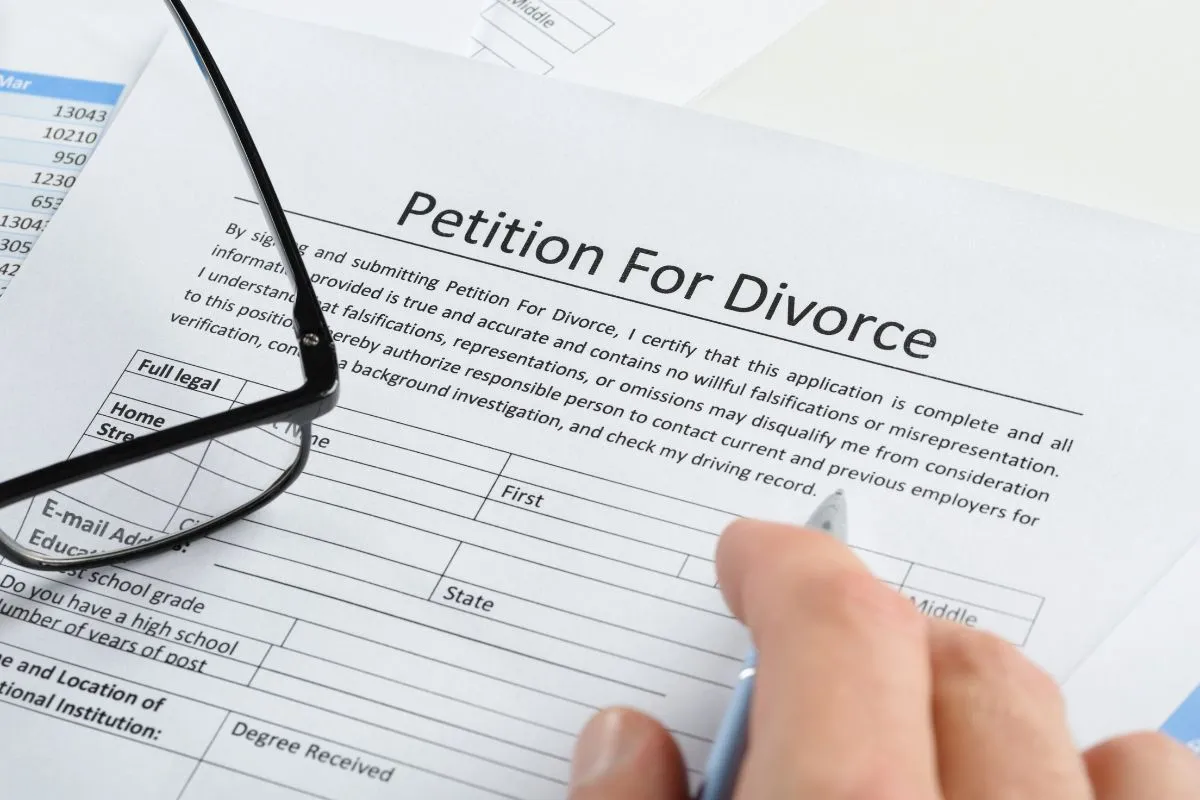
The filing process generally begins with consulting a qualified family-law advocate or understanding the applicable court’s filing requirements. After reviewing the circumstances, the legal representative helps prepare the petition and organize the supporting documents. The petition is then submitted to the appropriate court, subject to jurisdictional rules and applicable procedural requirements.
Once the court accepts the filing, the next steps depend on the type of proceeding. In a mutual consent case, the court generally examines the joint petition and records the statements of both spouses. In a contested matter, the other spouse is ordinarily notified and given an opportunity to respond. Subsequent stages may involve written statements, evidence, mediation, hearings, and judicial consideration. The process concludes with a court decree if the legal requirements are satisfied.
Important Financial and Family Considerations
Divorce can affect several areas of family life, especially when spouses share property, financial responsibilities, or children. Therefore, the legal paperwork should not focus exclusively on ending the marriage. It should also address important practical arrangements that may affect both individuals in the future.
Maintenance or alimony is one such consideration. Depending on the applicable law and circumstances, the court may examine the financial position, needs, and other relevant factors when deciding maintenance-related matters. Individuals should maintain accurate financial records and avoid hiding income, property, or liabilities. A clear understanding of financial responsibilities can reduce disagreements and help both parties make informed decisions.
Child custody is another significant issue. Courts consider the welfare and best interests of the child when deciding custody and related arrangements. Parents may agree on living arrangements, education expenses, visitation schedules, and other responsibilities, but the court retains the authority to examine whether the proposed arrangement is appropriate. A settlement should prioritize the child’s stability, safety, education, and emotional well-being rather than simply reflect the preferences of the parents.
Common Mistakes to Avoid During Divorce Filing
People sometimes approach legal separation without fully understanding the importance of accurate documentation. Rushing through the paperwork, overlooking financial details, or relying on informal agreements can create difficulties during later stages of the proceedings.
Some common mistakes include:
- Submitting incomplete or inconsistent personal information.
- Providing inaccurate financial disclosures.
- Signing settlement agreements without understanding their legal consequences.
- Ignoring court notices or scheduled hearings.
- Assuming that filing a petition automatically ends the marriage.
Another important mistake is treating informal separation as equivalent to a legally completed divorce. Living separately or agreeing privately to end a relationship does not automatically dissolve a legally recognized marriage. The appropriate legal procedure must be completed, and the court must issue the relevant decree where required.
How Long Does the Divorce Process Take?
The duration of divorce proceedings in India varies considerably. Mutual consent cases may move more smoothly when both parties cooperate, provide the required information, and settle important matters in advance. However, statutory requirements, court schedules, and the circumstances of the case influence the overall timeline.
Under Section 13B of the Hindu Marriage Act, the second motion is ordinarily made no earlier than six months after the joint petition and no later than eighteen months after its presentation. The six-month period may be waived by the court in appropriate cases, but couples should not assume that every petition will receive such a waiver. Contested proceedings can take longer because they may involve evidence, cross-examination, mediation, and multiple hearings. There is no universal timeline applicable to every family or court.
The Importance of Professional Legal Assistance
Although people can research general legal procedures independently, professional guidance can be valuable when preparing a petition or reviewing an agreement. Family-law matters often involve complicated questions about jurisdiction, personal laws, financial rights, and children’s welfare. An experienced advocate can explain the relevant provisions and identify documentation that may be necessary for a particular case.
Legal assistance is especially important when one spouse disputes the allegations, when significant property is involved, or when there are concerns about financial security or child custody. Before signing any settlement, both individuals should understand its terms, responsibilities, and possible long-term consequences. Professional review can also help ensure that the documents accurately reflect the parties’ intentions and comply with applicable legal requirements.
Conclusion
Ending a marriage through the legal system can be an emotionally and practically challenging experience. However, understanding the documentation requirements, applicable laws, and court procedures can make the process more organized and manageable. From establishing marriage details to addressing financial responsibilities and child custody, every part of the paperwork contributes to the proper consideration of the case.
Preparing divorce papers carefully is an important step toward protecting legal rights and avoiding unnecessary complications. Whether the separation takes place through mutual agreement or a contested proceeding, individuals should prioritize accurate information, transparent communication, and appropriate legal guidance. A well-prepared approach helps both parties understand their responsibilities and move toward the next stage of life with greater clarity and confidence.