


The digital world has transformed how people communicate, work, shop, study, and manage their daily activities. From online banking and cloud storage to social media platforms and business applications, almost every activity now involves exchanging information through connected devices. Although these technologies offer convenience and efficiency, they also create opportunities for criminals to access private information, disrupt services, and exploit weaknesses in digital systems. As dependence on technology increases, protecting digital environments has become an essential responsibility for individuals, organizations, and governments.
Cyber security refers to the practices, technologies, and strategies used to protect computers, networks, applications, and sensitive information against unauthorized access, digital attacks, and data theft. Its importance extends beyond large companies because ordinary internet users also face risks such as fraudulent messages, identity theft, malicious applications, and compromised passwords. Developing awareness and adopting appropriate security measures can significantly reduce these risks. Understanding how digital threats operate is the first step toward building a safer and more reliable online environment.
Understanding the Importance of Digital Protection
Digital information has become one of the most valuable resources in modern society. Businesses maintain customer records, financial documents, employee information, intellectual property, and operational data through interconnected systems. Individuals also store photographs, personal conversations, payment details, and confidential documents on their devices and online accounts. If unauthorized individuals gain access to this information, the consequences may include financial losses, privacy violations, reputational damage, and long-term operational problems.
The importance of cyber security becomes particularly clear when considering how interconnected modern services have become. A security weakness in one application may expose information connected to several other platforms. For example, someone using the same password across multiple accounts could lose access to several services after a single account is compromised. Similarly, an employee clicking a fraudulent email attachment could unintentionally introduce malicious software into an organization’s internal network. These examples demonstrate why digital protection requires continuous attention rather than occasional technical improvements.
Common Cyber Threats Affecting Digital Users
Online threats continue to evolve as criminals develop new techniques to exploit technology and human behavior. Some attacks target technical weaknesses, while others rely on deception, urgency, and a lack of awareness. Recognizing common threats helps users identify suspicious activity before it causes significant damage.
Phishing and Social Engineering Attacks
Phishing is one of the most common methods used to steal sensitive information. Attackers create convincing emails, text messages, websites, or social media communications that appear to come from trusted organizations. Their messages may claim that an account has been suspended, a payment requires confirmation, or an urgent security problem needs attention. Victims are encouraged to click a link, download an attachment, or provide confidential details.
Social engineering attacks go beyond traditional phishing by manipulating human emotions and decision-making. Criminals may pretend to be technical support representatives, company executives, delivery services, or financial institutions. Artificial intelligence has also made it easier to create convincing written messages, voice recordings, and impersonation attempts. Users should independently verify unexpected requests, especially those involving payments, passwords, or confidential information.
Ransomware and Malicious Software
Malware is a broad category of software designed to damage systems, steal information, monitor activities, or gain unauthorized access. Viruses, spyware, trojans, and ransomware are examples of malicious programs that can enter devices through unsafe downloads, infected attachments, compromised websites, or vulnerable applications.
Ransomware is particularly disruptive because it can encrypt important files and demand payment in exchange for restoring access. Some attackers also steal information before encrypting it, creating additional pressure on victims. Organizations may experience interrupted operations, financial losses, and damaged customer relationships. Maintaining secure backups, updating software, and restricting unnecessary system permissions are important measures for reducing exposure to these attacks.
Identity Theft and Account Compromise
Identity theft occurs when criminals obtain and misuse personal information to impersonate another individual. Stolen details may include names, identification information, contact details, financial credentials, or account recovery information. Criminals can use these details to access accounts, make unauthorized transactions, or create fraudulent identities.
Weak passwords and reused login credentials increase the possibility of account compromise. Once one account becomes accessible, attackers may attempt to use the same credentials elsewhere. Unique passwords, multifactor authentication, and regular account monitoring provide additional protection against unauthorized access.
How Modern Technology Is Changing Digital Security
Technology continues to create new opportunities for improving digital protection. However, every technological development also introduces potential weaknesses that organizations must understand and manage. Modern security strategies increasingly combine automated monitoring, intelligent analysis, stronger authentication, and continuous risk assessment.
Artificial Intelligence and Automated Threat Detection
Artificial intelligence is changing how organizations identify and respond to suspicious digital activities. Security systems can analyze large amounts of network information, identify unusual patterns, and highlight behavior that may indicate an attempted attack. For example, if an employee account suddenly attempts to access confidential files from an unfamiliar location, automated monitoring may recognize the activity as unusual and trigger additional verification.
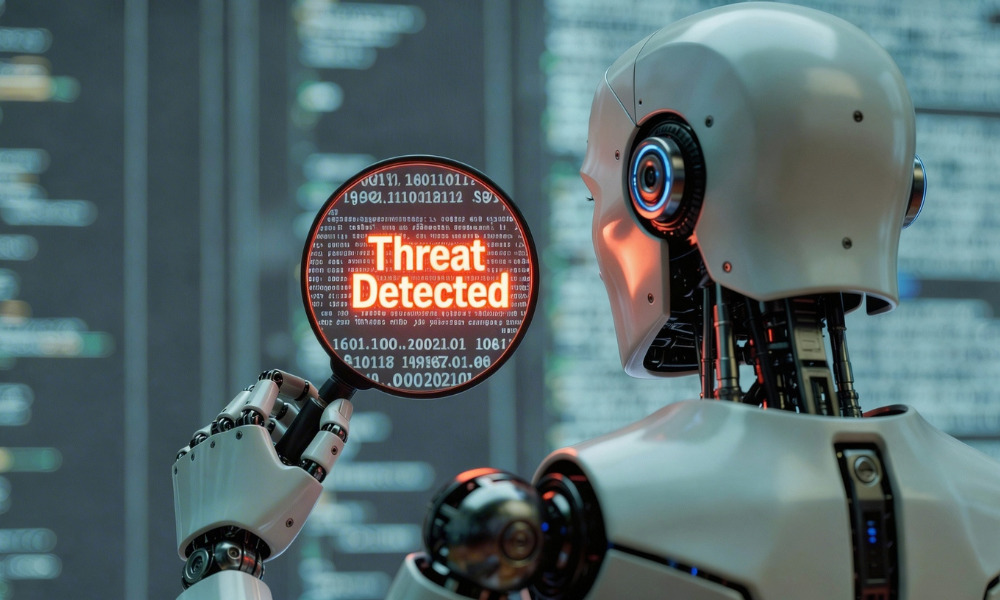
AI-powered tools can also help security teams prioritize alerts and investigate potential incidents more efficiently. However, artificial intelligence creates risks as well. Criminals can use similar technologies to develop more convincing phishing messages, automate fraudulent activities, and improve impersonation techniques. Consequently, organizations must treat AI as a supporting technology rather than a complete replacement for human judgment, professional expertise, and effective security policies.
Cloud Computing and Data Protection
Cloud computing allows individuals and organizations to store information, operate applications, and access digital resources through remote infrastructure. It supports flexible working arrangements, collaboration, and business expansion without requiring every organization to maintain extensive physical infrastructure.
However, cloud environments require careful configuration and access management. Publicly exposed storage, excessive user permissions, compromised accounts, and poorly protected application interfaces can create opportunities for attackers. Businesses should understand their cloud provider’s security responsibilities and establish appropriate controls for their own applications and information. Encryption, identity verification, regular configuration reviews, and reliable backup procedures can help maintain data confidentiality and availability.
Essential Practices for Improving Online Safety
Effective digital protection does not depend entirely on expensive software or advanced technical knowledge. Consistent everyday habits can prevent many common security problems. Individuals should understand the information they share online, the permissions they grant to applications, and the risks associated with unfamiliar digital services.
Some important protective practices include:
- Create unique and difficult-to-guess passwords for important accounts.
- Enable multifactor authentication wherever it is available.
- Install operating system, browser, and application security updates promptly.
- Avoid opening unexpected attachments or sharing confidential information through unverified channels.
- Maintain regular backups of important documents and personal files.
These measures provide a useful foundation, but they should be supported by regular monitoring and responsible digital behavior. Users should review account activity, remove applications they no longer need, and check privacy settings periodically. Businesses should also educate employees about suspicious communications and establish clear procedures for reporting potential security incidents.
The Role of Businesses in Protecting Digital Infrastructure
Organizations have a responsibility to protect the information entrusted to them by customers, employees, partners, and suppliers. A single security incident can affect multiple departments, interrupt customer services, and create significant financial consequences. For this reason, businesses should approach cyber security as an essential part of their overall operational strategy instead of treating it as an isolated technical concern.
A strong security program begins with identifying important digital assets and understanding the risks associated with them. Organizations should evaluate their networks, applications, cloud services, databases, and third-party providers. Risk assessments help identify vulnerable systems and determine which protective measures require immediate attention. Access should be granted according to job responsibilities, ensuring that employees cannot unnecessarily view or modify confidential information.
Employee awareness is equally important. Even sophisticated security technologies may fail to prevent an incident when workers unknowingly share credentials or approve fraudulent requests. Regular training sessions can help employees recognize suspicious messages, follow secure data-handling practices, and report unusual activities. Businesses should also establish incident response plans that clearly explain how teams should respond when an attack occurs.
Comparing Different Digital Security Measures
Different protective technologies address different types of digital risks. Understanding their purposes helps individuals and organizations select appropriate solutions instead of relying on a single security product.
| Security Measure | Primary Purpose | Main Benefit |
|---|---|---|
| Firewall | Controls incoming and outgoing network traffic | Helps prevent unauthorized network access |
| Antivirus software | Detects and removes malicious programs | Reduces malware-related risks |
| Encryption | Converts information into protected data | Helps maintain data confidentiality |
| Multifactor authentication | Requires additional identity verification | Makes unauthorized account access more difficult |
| Data backups | Creates additional copies of important information | Supports recovery after data loss or ransomware incidents |
| Intrusion detection systems | Monitors suspicious network activities | Helps identify potential security incidents |
These technologies work most effectively when combined with appropriate policies and responsible user behavior. For example, encryption protects stored information, but it does not automatically prevent an employee from sharing confidential files with the wrong person. Similarly, antivirus software may detect many malicious programs, but it cannot eliminate every possible threat. A layered approach provides stronger protection because it reduces dependence on any single security control.
Challenges Facing the Future of Digital Protection
The growing number of connected devices is creating a more complicated security environment. Smartphones, smart televisions, wearable devices, connected vehicles, industrial equipment, and home automation systems all exchange information through digital networks. Many connected products have limited processing capabilities or receive fewer security updates than traditional computers. This can make them attractive targets when manufacturers or users fail to implement appropriate safeguards.
Another major challenge involves the increasing complexity of digital supply chains. Businesses frequently depend on external software providers, cloud platforms, payment services, and technology partners. A vulnerability in one supplier may affect several organizations that rely on its products. Companies therefore need to evaluate third-party security practices and understand how external services handle their information.
Privacy expectations and regulatory requirements are also becoming more important. Organizations must consider how personal information is collected, processed, stored, and shared. Responsible data management involves limiting unnecessary information collection, maintaining appropriate access controls, and establishing clear procedures for handling security incidents. Companies that prioritize transparency and accountability can build stronger relationships with customers while reducing avoidable risks.
Building a Strong Security Culture at Home and Work
Technology alone cannot create a completely secure digital environment. People make decisions every day about passwords, downloads, account permissions, online purchases, and information sharing. These decisions influence the overall security of personal and professional systems. Developing a security-conscious culture means making safe digital behavior a normal part of everyday activities.

At home, families can discuss online privacy, recognize fraudulent communications, and establish reasonable rules for using connected devices. Parents can help younger users understand why they should avoid sharing personal details with strangers and why unfamiliar downloads may be dangerous. Individuals should also secure home Wi-Fi networks, change default router credentials, and keep connected devices updated.
In professional environments, security responsibilities should be clearly communicated across departments. Employees need to understand how to handle sensitive documents, recognize suspicious requests, and report possible incidents without unnecessary delays. Management should support these efforts by providing suitable training, maintaining updated systems, and allocating resources for ongoing protection. When security becomes part of organizational decision-making, employees are more likely to recognize their role in protecting valuable information.
Conclusion
The digital world offers remarkable opportunities for communication, innovation, education, and business development, but it also introduces risks that cannot be ignored. Online fraud, ransomware, identity theft, account compromise, and data exposure demonstrate how quickly an ordinary digital activity can become a serious problem. As technology continues to develop, individuals and organizations must remain informed about emerging threats and improve their protective practices.
Cyber security is not a one-time installation or a responsibility limited to technical professionals. It is an ongoing process involving awareness, preparation, responsible technology use, and continuous improvement. Strong passwords, multifactor authentication, secure backups, software updates, employee education, and appropriate access controls all contribute to a safer digital environment. By combining modern security technologies with informed human decisions, society can make better use of digital opportunities while protecting the information and systems that support everyday life.