

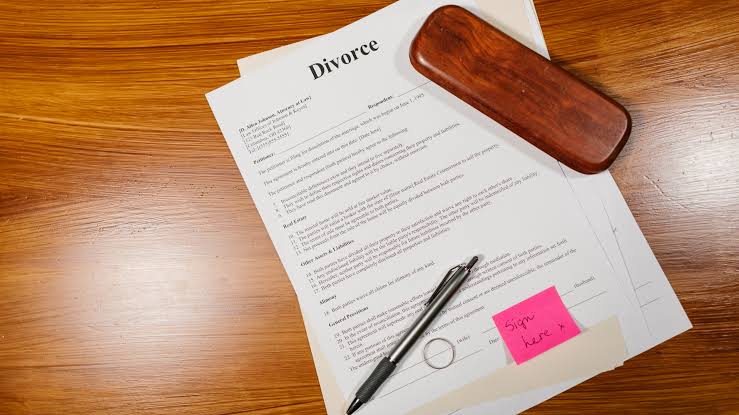

Divorce is a significant legal and personal decision that can affect a person’s family, finances, property, and future responsibilities. When a marriage reaches a point where separation becomes necessary, understanding the legal process is an important first step. One of the most essential parts of this process involves preparing and submitting the correct documents. These documents formally communicate the intention to end a marriage, provide relevant information to the court, and help establish the legal arrangements that may follow.
For many people, the paperwork can initially seem confusing. Different jurisdictions use different forms, filing procedures, eligibility requirements, and court processes. Some couples agree on every important issue and can complete a relatively straightforward process, while others need legal assistance to resolve disagreements involving children, maintenance, property, or financial support. Knowing what documents are generally required, how they are prepared, and what happens after submission can make the experience more manageable.
This guide explains the purpose of divorce papers, the common documents involved, the filing process, potential costs, and important precautions to consider before beginning. Because divorce laws differ between countries and, in some places, between states or regions, the information should be treated as general guidance rather than a substitute for jurisdiction-specific legal advice.
What Are Divorce Papers?
Divorce papers are legal documents used to begin, respond to, or complete proceedings to dissolve a marriage. Depending on the legal system, these documents may include a divorce petition, application, written settlement agreement, financial disclosures, affidavits, notices, and the final court order. Together, they provide the information required by the relevant legal authority to examine the case and determine whether the marriage can legally be dissolved.
These documents serve several purposes. They identify the parties involved, establish basic details about the marriage, explain the legal grounds or basis for seeking divorce where required, and describe the arrangements requested for children, finances, and property. They also create an official record of the proceedings. For example, if one spouse requests financial maintenance or a particular arrangement for a child, the relevant application and supporting documents help the court understand the request and consider the applicable law.
It is important to distinguish between filing for divorce and receiving a final divorce decree or order. Submitting an application does not automatically mean the marriage has legally ended. Additional steps may be necessary, including notifying the other spouse, attending hearings, providing supporting information, resolving disputes, and obtaining a final decision. The exact sequence depends on the applicable law and the circumstances of the marriage.
Types of Documents Required for Divorce
The documents needed for a divorce depend on whether the couple agrees to separate, whether children are involved, and whether financial or property disputes exist. Some cases require only a limited set of forms at the beginning, while others involve extensive financial disclosures and supporting evidence.
Divorce Petition or Application
The petition or application is generally the document that initiates formal divorce proceedings. It contains basic information about the spouses, the date and place of marriage, relevant residence details, and the legal basis for seeking dissolution where required. It may also identify the relief requested, such as child arrangements, maintenance, or division of marital assets.
Accuracy is particularly important when completing this document. Incorrect names, inconsistent dates, missing information, or incomplete declarations can cause delays. Applicants should review the form carefully and check whether supporting documents must accompany it. The terminology and required details differ across legal systems, so a form designed for one jurisdiction should not automatically be used in another.
Financial Disclosure Documents
Financial disclosures provide information about income, savings, debts, property, investments, and regular expenses. These documents can become especially important when the spouses disagree about maintenance, financial support, or the division of assets. Accurate disclosure helps the parties and the court evaluate the financial circumstances of the marriage.
Depending on the jurisdiction, supporting material may include salary statements, bank records, tax documents, loan statements, property records, or details of business ownership. Hiding assets or knowingly providing misleading financial information can create serious legal complications. Where financial arrangements are disputed, professional legal advice can help determine what must be disclosed and how the information should be presented.
Settlement Agreements and Child-Related Documents
When both spouses agree on the terms of their separation, they may prepare a written settlement agreement. This document can record their understanding regarding property, financial obligations, maintenance, and other relevant matters. Depending on local law, the agreement may need to be reviewed, approved, or incorporated into a court order before particular provisions become enforceable.

If the couple has children, additional documents may address custody, parenting arrangements, visitation, education, healthcare, and financial support. The child’s welfare is generally an important consideration in decisions involving parental responsibilities. An agreement between parents may be relevant, but it does not necessarily guarantee court approval if the proposed arrangements conflict with applicable legal standards.
Common Documents and Their Purposes
The following table provides a general overview of documents that may be requested during divorce proceedings. Not every case requires every document, and local rules determine the exact requirements.
| Document | Main purpose | When it may be needed |
|---|---|---|
| Marriage certificate | Confirms the marriage details | At the beginning of proceedings |
| Divorce petition or application | Formally requests dissolution | When initiating a case |
| Identity and residence documents | Helps verify identity and jurisdiction | When required by local rules |
| Financial statements | Explains income, assets, and liabilities | During financial discussions or disputes |
| Settlement agreement | Records mutually accepted terms | When spouses reach an agreement |
| Child-related documents | Describes proposed parenting and support arrangements | When children are involved |
| Court notices and affidavits | Records service, statements, or procedural steps | As required during the case |
| Final divorce order or decree | Confirms the legal outcome | After the case is decided or approved |
Preparing a document checklist before filing can help prevent avoidable delays. However, applicants should confirm the current requirements with the appropriate court or a qualified legal professional instead of assuming that the same list applies to every situation.
How to Prepare Divorce Documents Correctly
Preparation begins with understanding the applicable legal procedure. The rules may depend on the country where the marriage took place, where the spouses currently live, their personal law where relevant, and the court that has jurisdiction over the matter. Residence requirements, waiting periods, grounds for divorce, and filing procedures can differ considerably.
Once the correct procedure is identified, gather the available records and compare them with the information required by the application. Names, dates, addresses, marriage details, and financial figures should be consistent across documents. If a document is unavailable, ask the relevant authority or a lawyer whether an alternative record or explanation is acceptable. Do not create replacement documents that falsely appear to be official records.
Before submitting the application, review every section and confirm whether signatures, affidavits, witnesses, notarisation, translations, or certified copies are required. These formalities are not universal. An application that is complete in one jurisdiction may be rejected or returned in another if it fails to meet local procedural rules.
It is also sensible to retain copies of everything submitted, along with filing receipts, notices, and correspondence. Maintaining an organised record makes it easier to respond to requests from the court, track deadlines, and understand the progress of the proceedings.
How to File Divorce Papers Step by Step
The filing process generally follows a series of procedural stages, although the names and order of those stages vary.
First, determine the correct court or legal authority and identify the procedure that applies to the marriage. Next, obtain the current forms and prepare the application with the required supporting documents. Some jurisdictions permit electronic filing, while others require physical submission or specific formalities. The relevant court’s instructions should determine how the documents are delivered and whether a filing fee is payable.
After submission, the court may review the application for completeness. If information is missing or a procedural requirement has not been satisfied, the applicant may be asked to correct the problem. In proceedings that require formal notification to the other spouse, the documents must be served according to the applicable rules. Proof of service may also be necessary. The method of notification should not be improvised, particularly when the other spouse is difficult to contact or lives in another jurisdiction.
The next stage depends on whether the divorce is contested or uncontested. If the parties agree on the necessary issues, the case may proceed through a simplified or consent-based process where the law permits it. If disagreements remain, the court may schedule hearings, request evidence, or make decisions about disputed matters. Once all legal requirements have been met, the court can issue the final order or decree where appropriate. Applicants should obtain and safely retain an official copy because it may be needed to demonstrate the legal status of the marriage.
Understanding Mutual Consent and Contested Divorce
A mutual-consent divorce generally involves spouses who jointly seek to end their marriage and agree, or are able to reach agreement, on the relevant issues. Depending on local law, they may need to submit a joint application, supporting declarations, and details of their agreed arrangements. The process can be more straightforward when both parties cooperate, but legal requirements such as eligibility conditions, waiting periods, hearings, or judicial approval may still apply.

A contested divorce arises when one spouse disputes the divorce itself, its legal basis, or important issues such as maintenance, child arrangements, or property. These cases may involve formal responses, evidence, hearings, and additional applications. The time and expense can increase when the parties cannot resolve disagreements. In either situation, carefully prepared documents help clarify each party’s position and provide an organised record for the court.
Neither route should be selected solely on the assumption that it will be faster or cheaper. The appropriate process depends on the circumstances, the law, the safety of the individuals involved, and the level of agreement between the spouses.
Divorce Procedures and Important Considerations in India
In India, divorce procedures depend on the law applicable to the marriage and the specific circumstances of the parties. Different personal laws and statutory provisions may apply, so there is no single set of forms or filing rules suitable for every couple. The appropriate family court or other competent court, legal grounds, eligibility conditions, and required documents should be confirmed before beginning proceedings.
For marriages governed by the Hindu Marriage Act, 1955, Section 13B provides a framework for divorce by mutual consent, subject to its legal conditions. Contested divorce proceedings may be brought under applicable provisions when the required legal grounds are established. Other marriages may be governed by different legislation, including the Special Marriage Act, 1954, or other relevant laws. The applicable framework should be identified before choosing a petition or relying on a particular procedure.
Depending on the case, applicants may need a marriage certificate or other proof of marriage, identity and address records, photographs, details of children, evidence relevant to the grounds for divorce, and financial information where maintenance or related relief is requested. The precise requirements vary by court and case type. A local family-law advocate can help confirm the correct documents, filing format, jurisdiction, and any additional procedural steps.
People should also understand that submitting an application does not itself establish that a divorce has been granted. Court proceedings, statutory conditions, and any applicable waiting period must be considered. In some situations, the law permits a court to consider whether a waiting period can be waived, but such relief is not automatic. Current legal advice is particularly useful when a spouse lives abroad, the marriage was registered in a different location, or financial and child-related issues are unresolved.
How Much Do Divorce Papers Cost?
The cost of preparing and filing divorce documents varies widely. Court fees may be relatively limited in some jurisdictions, but additional expenses can arise from legal representation, document preparation, certified copies, translations, notarisation, service of documents, and travel. Contested proceedings may involve further costs if expert reports, extensive financial records, or multiple hearings are necessary.
A couple handling an uncontested case may have fewer expenses than spouses involved in a lengthy dispute, but this is not guaranteed. The complexity of the case and local fee arrangements can significantly affect the final amount. Before proceeding, ask for an explanation of expected professional fees, court charges, and possible additional expenses. If affordability is a concern, check whether legal aid, a community legal service, or another recognised assistance programme is available in the relevant jurisdiction.
It is better to understand the likely costs in advance than to choose an unsuitable legal process simply because it appears inexpensive. Incorrect forms or incomplete filings can lead to extra work and delays, which may ultimately increase the overall expense.
Common Mistakes to Avoid When Filing
Small errors in legal paperwork can create unnecessary complications. Applicants sometimes use outdated forms, file in the wrong court, overlook required attachments, or assume that a verbal agreement is sufficient to resolve every legal issue. Others fail to keep copies of submitted documents or miss deadlines because they do not regularly review court communications.
Another important mistake is making inaccurate statements about income, property, the marriage, or the needs of children. Legal documents should reflect the facts as accurately as possible. If a mistake is discovered after submission, seek guidance on the correct procedure for correcting it rather than altering a filed document informally.
Before filing, review these practical points:
- Confirm that the court or authority has jurisdiction over the case.
- Check that every required form and supporting record is included.
- Verify names, dates, financial details, and signatures.
- Keep copies and track filing receipts, notices, and deadlines.
- Obtain legal advice when rights, safety, children, or significant assets are involved.
These checks cannot guarantee a smooth outcome, but they can reduce avoidable administrative problems and help applicants approach the process more confidently.
When Should You Consult a Divorce Lawyer?
Legal assistance can be valuable when the applicable law is unclear, the other spouse contests the proceedings, or the case involves significant assets, business interests, debts, maintenance, or child-related disputes. A lawyer can explain eligibility requirements, identify the correct court, review documents, advise on evidence, and help ensure that the proposed settlement addresses important legal issues.
Professional guidance is also worth considering when one spouse is uncooperative, lives in another country, cannot be located, or has allegedly concealed financial information. Special procedures may apply in these circumstances. Where domestic violence, intimidation, or coercion is involved, personal safety should take priority, and advice from an appropriate legal or support service may be necessary before communicating with the other spouse or disclosing sensitive information.
Not every case requires the same level of legal representation. Some people may be able to manage straightforward procedural tasks themselves where local law permits it. However, the decision should be based on the complexity and consequences of the case, rather than on the assumption that all divorces follow an identical process.
Conclusion
Understanding the legal documents involved in ending a marriage can make an emotionally difficult experience more organised and manageable. From the initial petition to financial disclosures, settlement agreements, and the final court order, each document serves a purpose in establishing the facts, recording the parties’ positions, and completing the legal process. Careful preparation, accurate information, and attention to deadlines can help reduce avoidable delays. Before preparing divorce papers, confirm the law that applies to the marriage, identify the correct court, and obtain the current forms and instructions. Keep organised records, understand the likely costs, and seek qualified legal advice when disagreements or complex issues arise. Most importantly, remember that filing an application is only one stage of the process. A final legal decision or order, where required, is what establishes the formal outcome of the proceedings. With the right information and appropriate support, individuals can approach the next steps with greater clarity and make informed decisions about their future.