

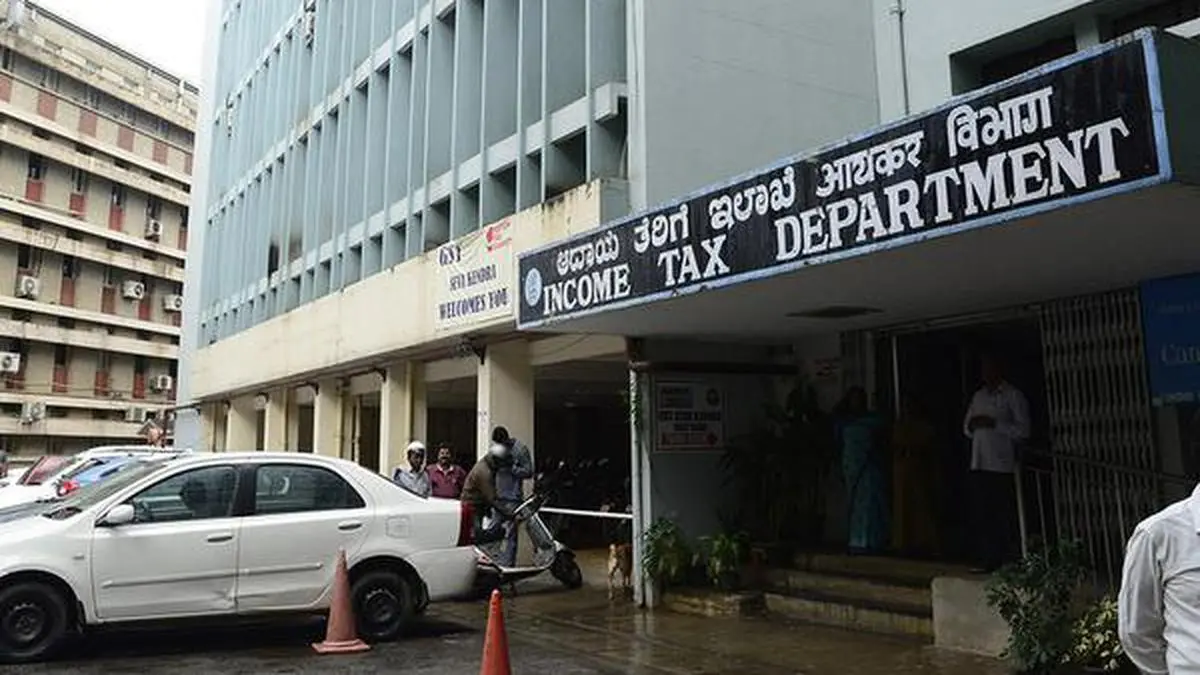

The income tax system plays an important role in the economic development of India. Taxes collected from individuals, professionals, businesses, and other eligible taxpayers help the government finance public infrastructure, healthcare, education, transportation, national security, and welfare programmes. To manage this system effectively, the government relies on a dedicated administrative body that oversees tax collection, compliance, assessments, and taxpayer services. Understanding how this institution operates can help people manage their financial responsibilities with greater confidence.
The income tax department is responsible for administering direct tax laws in India and helping taxpayers fulfil their legal obligations. Its work includes processing income tax returns, monitoring tax payments, issuing refunds, identifying potential non-compliance, and providing digital facilities for individuals and businesses. Whether someone earns a monthly salary, operates a small business, works as a freelancer, or receives income from investments, understanding the tax system can make financial planning easier.
In recent years, digital services have significantly changed how taxpayers interact with tax authorities. Online return filing, electronic verification, digital communication, and refund tracking have made many processes more accessible. However, taxpayers still need to understand applicable deadlines, reporting requirements, documentation, and the difference between legitimate tax communication and fraudulent messages. Knowing the basic functions of the tax administration system is an important step towards responsible financial management.
What Is the Income Tax Department?
The income tax department is a government organisation operating under the Department of Revenue within the Ministry of Finance. It administers the Income-tax Act and related rules, subject to applicable amendments and transitional provisions. Its responsibilities cover the assessment and collection of income tax, enforcement of tax laws, administration of taxpayer services, and monitoring of compliance.
The Central Board of Direct Taxes (CBDT) provides policy direction and administrative supervision for direct tax matters. The department operates through different offices and designated authorities across India to serve taxpayers and implement tax regulations. These offices handle activities such as return processing, scrutiny assessments, tax recovery, investigations, and assistance with taxpayer grievances.
For example, a salaried employee who has tax deducted from monthly earnings may need to file an annual return to report total income and claim eligible deductions or refunds. A business owner, meanwhile, may need to maintain detailed financial records, calculate taxable profits, and comply with advance tax requirements. The administrative system helps process these obligations according to the rules applicable to each taxpayer.
Major Functions of the Income Tax Department
1. Collection and Administration of Income Tax
One of the primary responsibilities of the tax administration is to ensure that income tax is collected according to applicable law. Depending on the taxpayer’s circumstances, tax may be collected through Tax Deducted at Source (TDS), advance tax payments, self-assessment tax, or other prescribed mechanisms.
TDS is commonly applied to certain salary payments, professional fees, interest, rent, and other specified transactions. Advance tax generally applies when a taxpayer’s estimated tax liability meets the statutory conditions for advance payments. After considering tax already paid and eligible credits, a taxpayer may need to pay an additional amount or may qualify for a refund.
2. Processing Income Tax Returns
Return processing is another important function. Taxpayers submit information about their income, deductions, tax payments, and other required financial details through the prescribed filing system. The submitted information is processed to determine whether the return contains apparent inconsistencies, whether tax credits match available records, and whether a refund or additional payment may be due.
Processing does not necessarily mean that every return undergoes a detailed investigation. Some returns may be processed routinely, while others may be selected for further examination under applicable procedures. If a discrepancy is identified, the taxpayer may receive an intimation or notice explaining the issue and any required action.
3. Monitoring Compliance and Preventing Tax Evasion
Tax authorities use information available through legally authorised reporting mechanisms to identify possible mismatches and suspicious patterns. Information from tax deduction statements, financial transaction reports, and other permitted sources may help authorities compare declared income with reported transactions.
For instance, a person might report salary income but overlook interest earned from a bank deposit. If the interest appears in available financial information, the return may contain a mismatch that needs clarification. Such a difference does not automatically establish tax evasion, because reporting errors, timing differences, and other legitimate explanations may exist. Taxpayers should therefore maintain accurate records and respond appropriately when clarification is requested.
4. Providing Taxpayer Assistance
Tax administration also involves helping individuals understand filing procedures, payment options, verification requirements, and compliance obligations. Digital facilities have reduced the need for physical visits for many routine tasks, although certain cases may still require additional documentation or personal assistance.
Clear communication and accurate guidance are especially important for first-time filers, senior citizens, freelancers, and small businesses. Taxpayers who understand the applicable rules are better positioned to submit correct returns, claim legitimate benefits, and avoid unnecessary disputes.
Important Services Available to Taxpayers
The online tax ecosystem provides several services that support common tax-related activities. The following table summarises widely used facilities and their purposes.
| Service | Main purpose | Who may use it |
|---|---|---|
| PAN-related services | Identify taxpayers for specified financial and tax transactions | Individuals and eligible entities |
| Income tax return filing | Report income, deductions, and tax liability | Taxpayers required or choosing to file |
| ITR status checking | Review the progress of a submitted return | Return filers |
| Refund status tracking | Check whether a refund is being processed or issued | Taxpayers expecting refunds |
| Form 26AS and AIS | Review relevant tax credits and reported financial information | Eligible taxpayers |
| Tax payment facilities | Pay applicable tax liabilities electronically | Individuals and businesses |
| Notice and communication services | View or respond to official tax communications | Taxpayers receiving communications |
These facilities can help taxpayers manage many routine responsibilities without visiting a tax office. However, the information displayed in different statements may serve different purposes. For example, Form 26AS primarily provides tax-credit information and certain related details, while the Annual Information Statement (AIS) contains a broader range of reported financial information. Taxpayers should review the relevant records carefully before filing.
Understanding PAN and Its Importance
A Permanent Account Number (PAN) is an important identifier used in India’s tax and financial systems. It helps connect tax records and supports identification for transactions where PAN reporting is prescribed. Individuals, companies, partnership firms, and other eligible entities may require PAN depending on their legal status and activities.
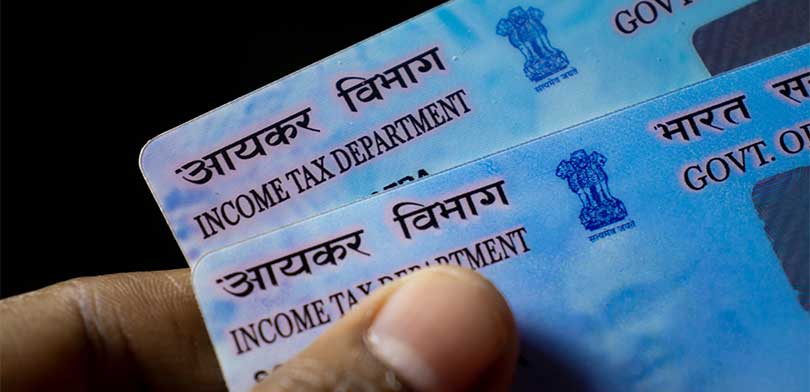
PAN information should remain accurate and consistent across relevant records. Differences in a taxpayer’s name, date of birth, or other identifying information can sometimes create difficulties during verification or when matching financial records. Anyone who notices an error should follow the applicable correction procedure rather than submitting inconsistent information across different applications.
PAN should also be protected against misuse. Taxpayers should avoid sharing copies of identity documents indiscriminately and should verify the legitimacy of requests for personal information. A message claiming that a PAN will be blocked immediately unless the recipient shares an OTP or pays an urgent fee should be treated cautiously and independently verified.
How to File an Income Tax Return in India
Filing an income tax return involves reporting relevant income and tax information for a particular financial year. Whether filing is compulsory depends on the taxpayer’s circumstances and the provisions applicable to that year. Even when filing is not mandatory, some individuals may choose to file to claim eligible refunds, maintain financial records, or satisfy requirements associated with particular transactions.
The general process involves collecting income documents, selecting the appropriate return form, calculating taxable income, reporting eligible deductions, checking tax credits, paying any outstanding liability, and submitting the return. The taxpayer must then complete the required verification within the prescribed time. Merely submitting a return without completing the required verification may leave the filing process incomplete.
Documents to Prepare Before Filing
Before starting, taxpayers should gather relevant documents and compare them with the information available in their tax records. Common documents include:
-
PAN and other required identification details.
-
Form 16, where applicable, and salary statements.
-
Bank interest certificates and investment income records.
-
Form 26AS, AIS, and relevant tax deduction details.
-
Records supporting eligible deductions, exemptions, or business expenses.
The documents required will depend on the nature of the income. A salaried employee with interest income may have relatively straightforward reporting requirements, while a freelancer may also need invoices, expense records, and details of professional receipts. Individuals with capital gains, rental income, foreign income, or business income may need additional information and a different return form.
Old Tax Regime vs New Tax Regime
India’s income tax framework provides different tax regimes for eligible individuals and other specified taxpayers. The applicable rates, deductions, exemptions, and conditions can vary by financial year. The new tax regime is the default regime for eligible taxpayers under the current framework, while the old regime remains available where permitted and subject to the relevant conditions.
Choosing between the regimes requires more than comparing headline tax rates. A taxpayer who claims substantial eligible deductions under the old regime may obtain a different result from someone who has limited deductions. The new regime may be attractive to individuals who prefer a simpler calculation and do not rely on many deductions available under the old regime.
For example, two employees earning the same annual salary might have different tax liabilities because one has significant eligible deductions and the other does not. Their final results can also depend on salary structure, taxable allowances, rebates, surcharge, cess, and other applicable provisions.
| Comparison factor | Old tax regime | New tax regime |
|---|---|---|
| Tax rates | Uses the applicable old-regime slab structure | Uses the applicable new-regime slab structure |
| Eligible deductions | Allows several deductions and exemptions, subject to conditions | Most commonly used deductions and exemptions are restricted, with specified exceptions |
| Default status | Generally requires an eligible choice | Default regime for eligible taxpayers |
| Best approach | Calculate tax after considering permitted deductions | Calculate tax under the applicable new-regime rules |
Taxpayers should use the rules and tax rates applicable to the relevant financial year rather than relying on outdated online examples. Individuals with business or professional income may also face specific restrictions and procedures when choosing or changing regimes.
Tax Refunds, Notices, and Common Issues
A tax refund may arise when the amount of tax paid or credited exceeds the final tax liability. This can happen when excess TDS has been deducted, advance tax payments exceed the amount ultimately due, or other eligible credits reduce the final liability. Refunds are generally processed after the return is submitted and the required verification is completed, subject to applicable checks.

A refund may take longer when bank details are incorrect, the bank account is not properly validated, tax-credit information does not match, or further review is required. Taxpayers should review their return status and any official communication rather than assuming that every delay indicates a problem. If the return has been marked defective or a refund has failed, the next step depends on the specific message and the available correction procedure.
Notices and intimations also serve different purposes. Some communications merely provide processing results or identify a mismatch, while others request information or require a formal response. Receiving a notice does not automatically mean that a taxpayer has committed fraud. The taxpayer should read the communication carefully, identify the relevant assessment year and response deadline, and provide accurate information through the prescribed channel.
Common Mistakes Taxpayers Should Avoid
Many tax difficulties arise from incomplete information rather than deliberate wrongdoing. A taxpayer may overlook interest income, select an incorrect return form, report a deduction without adequate supporting documents, or fail to reconcile tax credits. Others may submit a return but forget to complete verification. Such mistakes can lead to processing delays, additional tax demands, or the need to revise or correct a return.
To reduce these risks, taxpayers should review the final return before submission and retain supporting documents for the required period. They should also check whether the selected tax regime, income figures, bank account details, and tax payments are correct. If an error is discovered after filing, the appropriate remedy may involve a revised return, an updated return, a rectification request, or another procedure, depending on the nature of the error and the applicable statutory conditions.
Digital Safety and Official Tax Communication
Digital tax services make filing and record management easier, but they also create opportunities for fraudsters to impersonate tax authorities. Fake emails, text messages, and phone calls may claim that a refund is blocked or that a taxpayer’s PAN will be suspended unless immediate payment is made. Some fraudulent messages may also request passwords, OTPs, banking information, or identity documents.
Taxpayers should independently verify any unexpected request through official channels. They should never share login credentials or OTPs with someone claiming to be a tax officer. Suspicious payment demands should be treated carefully, particularly when the sender uses threatening language or insists on immediate action through an unfamiliar payment method. Maintaining secure passwords and using appropriate account-protection measures can further reduce risk.
Conclusion
The income tax department plays a central role in administering India’s direct tax system, supporting revenue collection, processing returns, monitoring compliance, and providing services to taxpayers. Understanding these responsibilities helps individuals and businesses approach tax filing with greater clarity and avoid common mistakes involving documentation, tax payments, refunds, and official communications. Responsible tax management begins with accurate financial records, awareness of applicable deadlines, careful review of reported information, and timely responses to legitimate notices. Taxpayers should also understand the differences between available tax regimes and calculate their liability using the rules applicable to the relevant financial year. By using authorised digital facilities, protecting personal information, and seeking qualified professional advice when necessary, individuals can manage their tax responsibilities more efficiently and make better-informed financial decisions.