

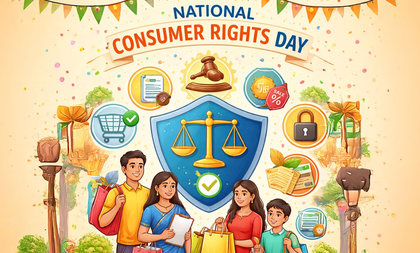

Consumers play a crucial role in driving economic growth and shaping market trends. Every day, millions of people purchase goods and services, making them an essential part of the economy. However, consumers often face challenges such as misleading advertisements, defective products, unfair trade practices, and poor service quality. To address these concerns and create awareness about consumer protection, India observes National Consumer Rights Day every year.
National Consumer Rights Day serves as a reminder that consumers have legal rights and protections under Indian law. It highlights the importance of informed purchasing decisions and encourages individuals to understand the remedies available when they encounter unfair treatment. In today’s digital age, where online shopping, digital payments, and e-commerce platforms are rapidly expanding, consumer awareness has become more important than ever.
The observance of National Consumer Rights Day helps educate citizens about their rights and responsibilities while promoting ethical business practices. It also reinforces the government’s commitment to protecting consumer interests and ensuring a fair marketplace for everyone.
What is National Consumer Rights Day?
National Consumer Rights Day is observed annually on 24 December in India. The day commemorates the enactment of the Consumer Protection Act, 1986, which marked a significant milestone in strengthening consumer rights and providing legal remedies against unfair trade practices.
The occasion aims to raise awareness about consumer rights and encourage individuals to take action whenever they experience exploitation in the marketplace. Over the years, the consumer protection framework has evolved to address changing market conditions, technological advancements, and emerging challenges associated with digital commerce.
Today, National Consumer Rights Day serves as a platform for government agencies, educational institutions, consumer organizations, and businesses to promote awareness regarding consumer welfare and legal protections.
History of National Consumer Rights Day
The history of National Consumer Rights Day is closely linked to India’s efforts to create a robust consumer protection system. Before the enactment of consumer protection laws, consumers often struggled to seek justice against manufacturers, retailers, or service providers.
On 24 December 1986, the Indian Parliament passed the Consumer Protection Act, establishing a framework that enabled consumers to file complaints and seek compensation for grievances. This legislation introduced dedicated consumer forums and dispute resolution mechanisms that significantly improved access to justice.
Over time, the legal framework continued to evolve. Recognizing the growth of e-commerce, digital transactions, and modern business practices, the government introduced the Consumer Protection Act, 2019. This updated legislation strengthened consumer rights and addressed contemporary challenges such as online fraud, misleading advertisements, and product liability.
As a result, National Consumer Rights Day remains highly relevant in today’s marketplace, where consumer protection extends beyond traditional retail transactions.
Why National Consumer Rights Day Matters Today

In 2026, consumers interact with businesses through multiple channels, including physical stores, online marketplaces, mobile applications, and social media platforms. While these developments have increased convenience and choice, they have also created new risks.
Consumers may encounter counterfeit products, hidden charges, data privacy concerns, fake reviews, and misleading promotional campaigns. Many people remain unaware of the legal remedies available to them, making awareness initiatives especially important.
National Consumer Rights Day helps bridge this knowledge gap by encouraging citizens to understand their rights and make informed purchasing decisions. The day also motivates businesses to adopt transparent practices and prioritize customer satisfaction.
The significance of National Consumer Rights Day continues to grow as technology transforms consumer behavior and business operations across India.
Consumer Rights in India
The consumer protection framework in India recognizes several important rights that safeguard consumer interests.
Right to Safety
Consumers have the right to protection against products and services that may pose risks to health or safety. Manufacturers and service providers are expected to maintain quality standards and comply with safety regulations.
Right to Information
Consumers must receive accurate information regarding product quality, quantity, ingredients, price, and usage instructions. Transparent information helps individuals make informed choices and avoid deception.
Right to Choose
Consumers have the freedom to select from a variety of products and services at competitive prices. Businesses should avoid monopolistic practices that limit consumer choice.
Right to Be Heard
Consumer grievances should receive proper attention from businesses, regulatory authorities, and consumer forums. This right ensures that consumer concerns are acknowledged and addressed fairly.
Right to Seek Redressal
When consumers suffer losses due to defective products, deficient services, or unfair practices, they have the right to seek compensation and corrective action through appropriate legal channels.
Key Consumer Rights and Their Benefits
| Consumer Right | Purpose | Benefit to Consumers |
|---|---|---|
| Right to Safety | Protection from harmful products | Reduces health and safety risks |
| Right to Information | Access to accurate details | Enables informed decisions |
| Right to Choose | Availability of alternatives | Promotes fair competition |
| Right to Be Heard | Recognition of complaints | Improves accountability |
| Right to Redressal | Legal remedy for grievances | Ensures compensation and justice |
| Right to Consumer Education | Awareness of rights and laws | Increases consumer empowerment |
Consumer Protection in the Digital Era
The rise of e-commerce has transformed the consumer landscape in India. Online shopping platforms offer convenience and accessibility, but they also present challenges that require increased vigilance.
Consumers today often purchase products without physically examining them. This can lead to issues such as receiving counterfeit goods, incorrect products, or items that do not match their descriptions. Additionally, concerns regarding online scams, fraudulent sellers, and misuse of personal information have become increasingly common.
The Consumer Protection Act, 2019 introduced provisions that specifically address e-commerce transactions. These regulations require online platforms to maintain transparency, disclose seller information, and provide effective grievance redressal mechanisms.
Through awareness campaigns conducted during National Consumer Rights Day, consumers are encouraged to verify seller credentials, read product information carefully, and maintain records of online transactions.
Responsibilities of Consumers
While consumer rights are essential, consumers also have certain responsibilities that contribute to a fair marketplace.
- Reading product labels, warranties, and terms before making purchases.
- Retaining invoices, receipts, and transaction records.
- Reporting unfair trade practices and fraudulent activities.
- Using products according to provided instructions.
- Staying informed about consumer laws and protections.
Responsible consumer behavior helps reduce disputes and supports ethical business practices.
How Consumers Can File Complaints
When consumers face issues related to defective products, poor services, or misleading advertisements, they can seek legal remedies through consumer dispute resolution mechanisms.
The complaint process has become more accessible in recent years. Consumers can file complaints against manufacturers, retailers, service providers, and e-commerce sellers if they believe their rights have been violated.
A successful complaint generally requires supporting evidence such as purchase receipts, warranty documents, communication records, photographs, and transaction details. Maintaining proper documentation strengthens the consumer’s case and improves the likelihood of obtaining a favorable outcome.
Awareness regarding complaint procedures is one of the key objectives of National Consumer Rights Day, ensuring that consumers know how to seek justice when necessary.

Government Initiatives for Consumer Welfare
The Indian government has introduced several initiatives to strengthen consumer protection and improve awareness. These efforts focus on enhancing transparency, improving grievance resolution systems, and educating citizens about their rights.
Consumer awareness campaigns are conducted through television, radio, digital platforms, educational institutions, and public outreach programs. These initiatives encourage consumers to remain vigilant and informed while making purchasing decisions.
The government also continues to update regulations to address evolving market practices, ensuring that consumer protection remains effective in a rapidly changing economic environment.
Challenges Facing Consumers in 2026
Despite significant progress, several challenges continue to affect consumers across various sectors. Rapid technological advancement has introduced complexities that require constant monitoring and regulatory adaptation.
Common challenges include misleading digital advertisements, fake online reviews, unauthorized data collection, hidden subscription charges, counterfeit products, and financial fraud. Consumers must remain cautious while engaging with digital services and online marketplaces.
National Consumer Rights Day plays an important role in addressing these issues by promoting awareness, encouraging responsible business conduct, and empowering consumers with knowledge about their legal protections.
FAQs
What is National Consumer Rights Day?
National Consumer Rights Day is observed annually on 24 December in India to commemorate the enactment of the Consumer Protection Act, 1986, and to promote awareness about consumer rights and protections.
Why is National Consumer Rights Day celebrated?
The day is celebrated to educate consumers about their rights, encourage informed purchasing decisions, and promote fair trade practices across the marketplace.
What are the main consumer rights in India?
The major consumer rights include the right to safety, right to information, right to choose, right to be heard, right to seek redressal, and right to consumer education.
How does National Consumer Rights Day benefit consumers?
The observance increases awareness about legal protections, complaint mechanisms, and consumer responsibilities, enabling individuals to make informed decisions and seek remedies when necessary.
What role does the Consumer Protection Act, 2019 play?
The Consumer Protection Act, 2019 modernized India’s consumer protection framework by addressing issues related to e-commerce, misleading advertisements, product liability, and digital transactions.
Why is consumer awareness important in the digital age?
Consumer awareness helps individuals identify scams, avoid fraudulent sellers, protect personal information, and make safer purchasing decisions in online environments.
Conclusion
National Consumer Rights Day is more than just a commemorative event; it is a powerful reminder of the importance of consumer empowerment, awareness, and legal protection. As markets continue to evolve and digital commerce expands, consumers must stay informed about their rights and responsibilities.
The observance of National Consumer Rights Day encourages individuals to become knowledgeable participants in the marketplace while promoting transparency, accountability, and ethical business practices. By understanding consumer rights and utilizing available grievance mechanisms, citizens can contribute to a fairer and more trustworthy economic environment.
In 2026 and beyond, consumer awareness remains a cornerstone of economic growth and market integrity. A well-informed consumer is not only better protected but also plays a vital role in shaping a more responsible and consumer-friendly marketplace.
Read More:-World Consumer Rights Day: Protecting Consumer Interests