



Divorce is an important legal decision that can affect a person’s family relationships, financial situation, property ownership, and future responsibilities. Although the emotional side of ending a marriage can be challenging, understanding the legal process can make the experience more manageable. One of the first practical steps is learning which documents are required, how they should be prepared, and what happens after they are submitted to the appropriate court. Having accurate information from the beginning can help prevent unnecessary delays, reduce confusion, and make it easier to understand the rights and responsibilities of both spouses.
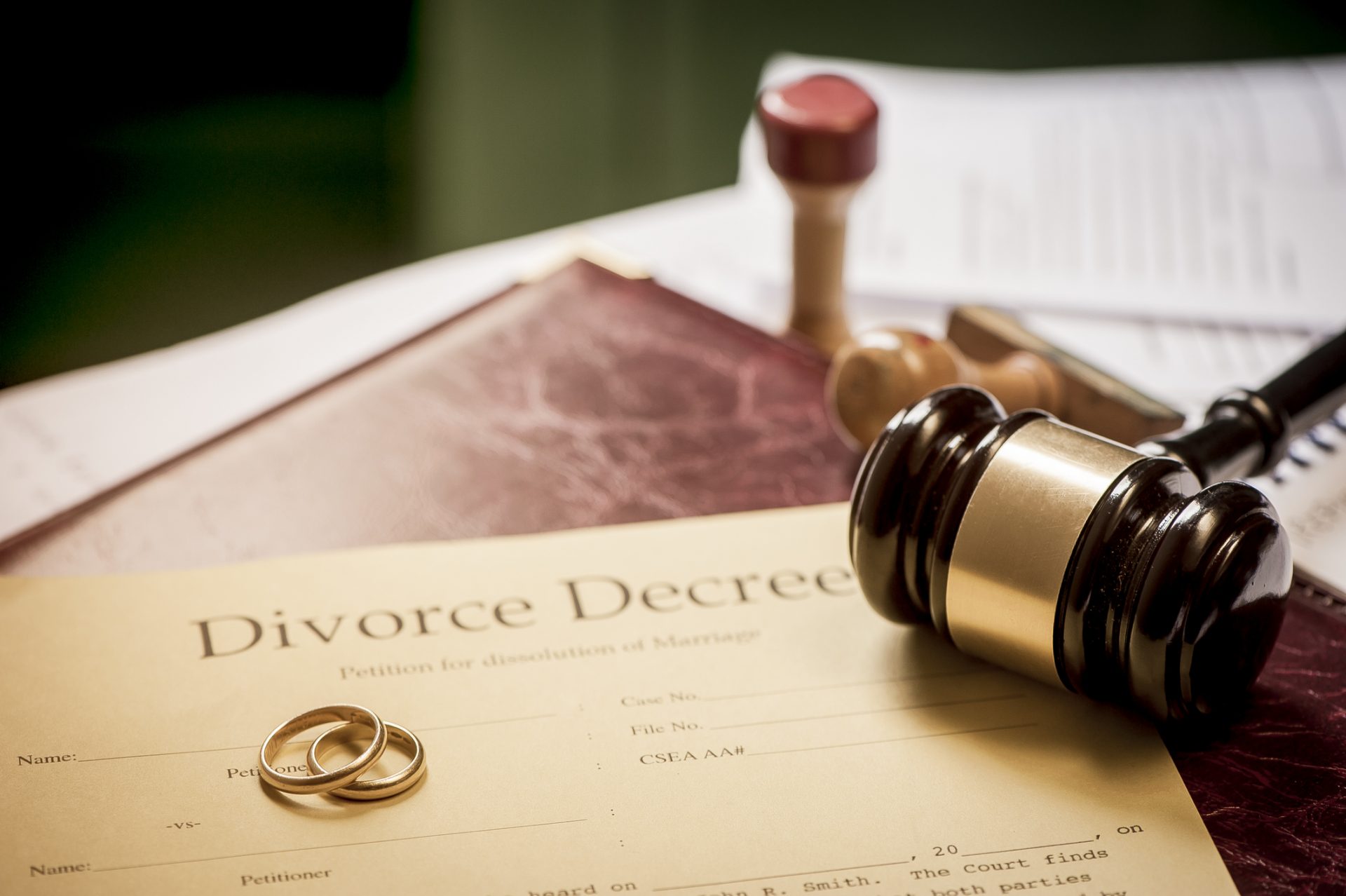
The term divorce papers generally refers to the legal documents used to begin, respond to, or complete a divorce proceeding. These documents may include a divorce petition, marriage certificate, identity documents, financial records, statements concerning children, and a final court order. The exact paperwork depends on the country, state, applicable family law, and whether both spouses agree to the separation. For example, a couple seeking a mutual consent divorce may follow a different procedure from someone whose spouse disagrees with the divorce or disputes financial arrangements.
Before preparing any documents, it is important to understand the applicable legal requirements rather than relying on a general template found online. In India, divorce procedures can differ depending on the personal law applicable to the marriage, the grounds for divorce, and the circumstances of the parties. Understanding these differences helps individuals make informed decisions and prepare for the next steps with greater confidence.
What Are Divorce Papers and Why Are They Important?
Divorce papers are formal legal documents that establish the basis for requesting a divorce and help the court understand the circumstances of the marriage. They communicate essential information about the spouses, the date and place of marriage, the reasons for seeking dissolution where required, and any matters that need a legal decision. Depending on the case, the paperwork may also address child custody, maintenance, financial support, property disputes, and other responsibilities that arise when a marriage ends.
These documents are important because the court relies on properly presented information to determine whether legal requirements have been satisfied. Missing information, inconsistent statements, or incorrect personal details can create complications. For instance, if a marriage certificate contains a spelling variation in a spouse’s name, the applicant may need supporting records or clarification before proceeding. Preparing the documents carefully also helps both parties understand what they are requesting and which issues remain unresolved. In contested matters, accurate records can become especially important when financial arrangements, allegations, or parental responsibilities are disputed.
Types of Divorce Papers Commonly Required
The paperwork required for a divorce is not identical in every case. Some documents establish the marriage and the identities of the parties, while others explain the legal request or provide information about financial and family circumstances. A person should confirm the specific requirements of the relevant court before submitting an application.
Divorce Petition
The divorce petition is generally the principal document used to request the dissolution of a marriage. It identifies both spouses, provides relevant marriage details, and sets out the legal basis for seeking a divorce. Depending on the applicable law, the petition may describe circumstances such as cruelty, desertion, or other legally recognized grounds. In a mutual consent proceeding, it usually records the parties’ agreement to seek a divorce and the relevant arrangements they have reached.
The petition must contain accurate information and comply with the legal requirements applicable to the case. The court may require particular statements, supporting documents, signatures, affidavits, or other formalities. A petition that does not satisfy the prescribed requirements may need correction before the case can move forward.
Marriage Certificate and Identity Documents
Proof of marriage is often an important part of the filing process. A marriage certificate can help establish the date and location of the marriage and identify the parties involved. If the certificate is unavailable, the appropriate court or legal professional can explain what alternative evidence may be accepted under the applicable rules.
Identity and address documents may also be required. These can include government-issued identification, address proof, or other records specified by the court. Applicants should make sure the names and personal details are consistent across the documents. If there has been a name change, a difference in spelling, or a change of address, it may be helpful to prepare supporting evidence in advance.
Financial Documents and Supporting Evidence
Financial records may become important when the spouses disagree about maintenance, alimony, property, debts, or financial support for children. Depending on the circumstances, relevant records may include salary slips, income tax returns, bank statements, information about assets and liabilities, and details of regular household expenses. These documents help present a clearer picture of each person’s financial circumstances.
In a contested divorce, supporting evidence may also be necessary to establish the grounds stated in the petition. The appropriate evidence depends on the legal issue and the applicable rules of admissibility. Applicants should preserve genuine records and avoid altering documents or making unsupported allegations. A qualified lawyer can explain which evidence is relevant and how it should be presented.
Documents Required for Divorce in India
In India, the documents needed for a divorce depend on the applicable personal law, the type of proceeding, and the requirements of the family court. A mutual consent divorce may require a joint petition and statements confirming the parties’ decision, whereas a contested divorce generally involves a petition filed by one spouse and supporting material relevant to the grounds claimed.
The following table provides a general overview of documents that may be requested. It is not a universal checklist, and some courts may require additional paperwork or accept alternative evidence in particular circumstances.
| Document | General purpose |
|---|---|
| Marriage certificate | Helps establish the marriage and relevant details |
| Identity proof | Confirms the identity of the parties |
| Address proof | Helps establish residence and relevant jurisdictional facts |
| Divorce petition | States the legal request and relevant circumstances |
| Photographs or marriage records | May support evidence of the marriage if required |
| Income and financial records | Help assess maintenance and financial issues |
| Children’s birth certificates | Establish relevant details when children are involved |
| Supporting evidence | May be needed for disputed allegations or other legal issues |
| Settlement agreement, where applicable | Records agreed arrangements between the spouses |
Not every case requires every document listed above. For example, financial disclosure requirements may vary according to the issues before the court, while evidence relating to children may be unnecessary for a couple without children. Applicants should obtain the current document checklist from the relevant family court or consult a family-law professional before filing.
How to File Divorce Papers Step by Step
Understanding the filing procedure can help people prepare more effectively and avoid common mistakes. The process may vary according to the applicable law, but several broad stages are common in divorce proceedings.
Step 1: Understand the Applicable Divorce Law
The first step is to identify the law under which the marriage can be dissolved. In India, different laws may apply depending on the religion of the parties, the manner in which the marriage was solemnized, and the circumstances of the case. For example, the Hindu Marriage Act, 1955, and the Special Marriage Act, 1954, contain provisions relevant to divorce in different situations.

The applicable law influences the available grounds, filing requirements, and procedural steps. It is therefore important to determine the correct legal route before preparing the petition. Choosing the wrong procedure can lead to avoidable complications and additional expense.
Step 2: Prepare the Required Documents
Once the applicable procedure is clear, the next step is to gather the necessary records and prepare the petition. Applicants should verify names, addresses, marriage dates, and other details before signing any documents. If the matter involves children, maintenance, or property, the relevant information should be organized so that the court can understand the issues involved.
Where both spouses agree to divorce, they may also need to document their understanding of financial support, custody arrangements, and other outstanding matters. Any agreement should be reviewed carefully to ensure that it is clear, voluntary, and consistent with applicable law. A settlement should not be signed under pressure or without understanding its consequences.
Step 3: File the Petition in the Appropriate Court
After preparation, the petition must be filed in the court that has jurisdiction over the matter. Jurisdiction may depend on factors such as where the marriage took place, where the parties reside, or other criteria specified by the applicable law. Filing procedures, court fees, document formats, and electronic filing options can differ between courts.
The applicant should retain copies of submitted documents and any filing acknowledgment or case details provided by the court. If the court identifies an incomplete form or a procedural issue, the applicant may need to correct it within the prescribed period. Confirming the filing requirements beforehand can help minimize these difficulties.
Step 4: Follow the Court Proceedings
After the case is filed, the court follows the relevant procedure, which may involve notice to the other spouse, a response, hearings, evidence, or opportunities for settlement. In a mutual consent case, the court examines whether the legal conditions for granting a divorce have been met. In a contested matter, the court may need to consider disputed facts and evidence before making a decision.
The parties should attend hearings as required and comply with court directions. They should also keep their lawyer informed about changes in contact details, financial circumstances, or other matters that could affect the proceeding. Failure to respond to notices or comply with directions may cause delays or other legal complications.
Mutual Consent Divorce vs. Contested Divorce
The type of divorce proceeding significantly affects the documents required, the likely complexity of the case, and the issues the court must consider. Mutual consent divorce generally involves spouses who both agree to end the marriage and have satisfied the relevant legal conditions. A contested divorce arises when one spouse seeks a divorce and the other disagrees, or when the parties dispute the legal grounds or related issues.
In India, mutual consent divorce is governed by the applicable legislation, which may include provisions under the Hindu Marriage Act or the Special Marriage Act. Statutory requirements concerning separation, consent, and court procedure must be checked for the particular case. The process should not be assumed to be identical across all marriages. Contested cases may require more extensive evidence and hearings, particularly when the spouses disagree about allegations, maintenance, property, or child custody.
The following differences provide a broad overview:
-
Mutual consent: Both spouses agree to seek divorce and address relevant settlement issues.
-
Contested proceedings: The court may need to determine disputed grounds or related matters.
-
Documentation: Mutual consent cases commonly include joint statements and settlement details, where relevant.
-
Time and expense: Contested cases can require more hearings and evidence, although the duration of either type depends on the circumstances and court workload.
Neither route guarantees a particular outcome or timeline. Even where the spouses agree, the court must ensure that the applicable legal requirements have been met.
Common Mistakes to Avoid When Preparing Divorce Documents
One frequent mistake is submitting incomplete or inconsistent information. Differences in names, addresses, marriage dates, or other personal details can lead to requests for clarification. Applicants should carefully compare documents before filing and provide supporting evidence where a discrepancy cannot be avoided. They should also ensure that all required signatures, affidavits, and attachments are included.
Another problem is assuming that a general online form will satisfy every legal requirement. Divorce procedures vary, and a document prepared for one jurisdiction may not be suitable for another. People sometimes overlook financial disclosure, fail to preserve relevant evidence, or agree to settlement terms without fully understanding their effects. These mistakes can become particularly serious when children, shared property, loans, or continuing financial obligations are involved.
To reduce the risk of avoidable problems, applicants should take a few practical precautions:
-
Verify the current requirements of the relevant family court.
-
Keep organized copies of filed documents and supporting records.
-
Review settlement terms carefully before signing.
-
Seek qualified legal advice when the case involves disputes or complex financial matters.
These measures do not eliminate every possible complication, but they can make the process more organized and help applicants respond more effectively to legal requirements.
How Much Time Does the Divorce Process Take?
The time required to complete a divorce depends on the type of proceeding, the applicable law, the court’s workload, and whether the parties agree on important matters. A mutual consent case may proceed more smoothly when all necessary documents are available and the spouses have resolved their differences. However, statutory conditions, required court appearances, and other procedural requirements can still affect the timeline.
A contested divorce may take longer because the court may need to examine evidence, hear witnesses, resolve interim applications, and decide disputed issues. Requests concerning maintenance, custody, property, or other family matters may add complexity. For this reason, it is better to avoid relying on a fixed estimate without examining the circumstances of the particular case.
Applicants can help reduce avoidable delays by submitting complete documentation, attending scheduled hearings, responding promptly to court directions, and keeping their contact information current. They should also recognize that court schedules and legal requirements are not entirely within their control. A lawyer familiar with the relevant court can provide a more realistic assessment of the expected process.
Legal Assistance and Access to Support
Although some individuals may be able to understand the basic filing process independently, professional legal guidance can be valuable when the matter involves disputed grounds, financial obligations, child custody, or property rights. A family-law lawyer can help identify the applicable legislation, review the petition, explain procedural requirements, and advise on the legal consequences of proposed settlement terms.
People who cannot afford private legal representation may also explore eligibility for legal aid in India. Assistance may be available through the relevant legal services authority, depending on statutory eligibility and the circumstances of the applicant. Anyone considering this option should confirm the current eligibility criteria and application process with the appropriate authority.
Legal advice is especially useful before signing a settlement that could affect long-term financial responsibilities or parental arrangements. Even if both spouses are cooperative, an agreement should clearly address the matters that need resolution and should comply with the applicable law. Taking time to understand the implications can help prevent misunderstandings later.
Conclusion
Preparing for a divorce involves more than completing a form. It requires an understanding of the applicable law, accurate personal and marriage records, appropriate supporting evidence, and careful attention to the court’s procedural requirements. Whether a couple seeks a mutual consent divorce or one spouse pursues a contested case, organized documentation can make it easier to explain the circumstances and address the legal issues that arise.
Anyone preparing divorce papers should begin by confirming which law applies, identifying the correct court, and obtaining an up-to-date list of required documents. Financial records, marriage details, information about children, and settlement terms should be reviewed carefully whenever they are relevant. Applicants should also avoid signing agreements they do not understand or relying on generic templates without checking their suitability.
Ultimately, being informed and well prepared can reduce unnecessary confusion during a difficult personal transition. Because divorce laws and court procedures differ according to the circumstances, individuals should seek guidance from a qualified family-law professional or the appropriate legal services authority when they need help understanding their options and protecting their legal rights.