

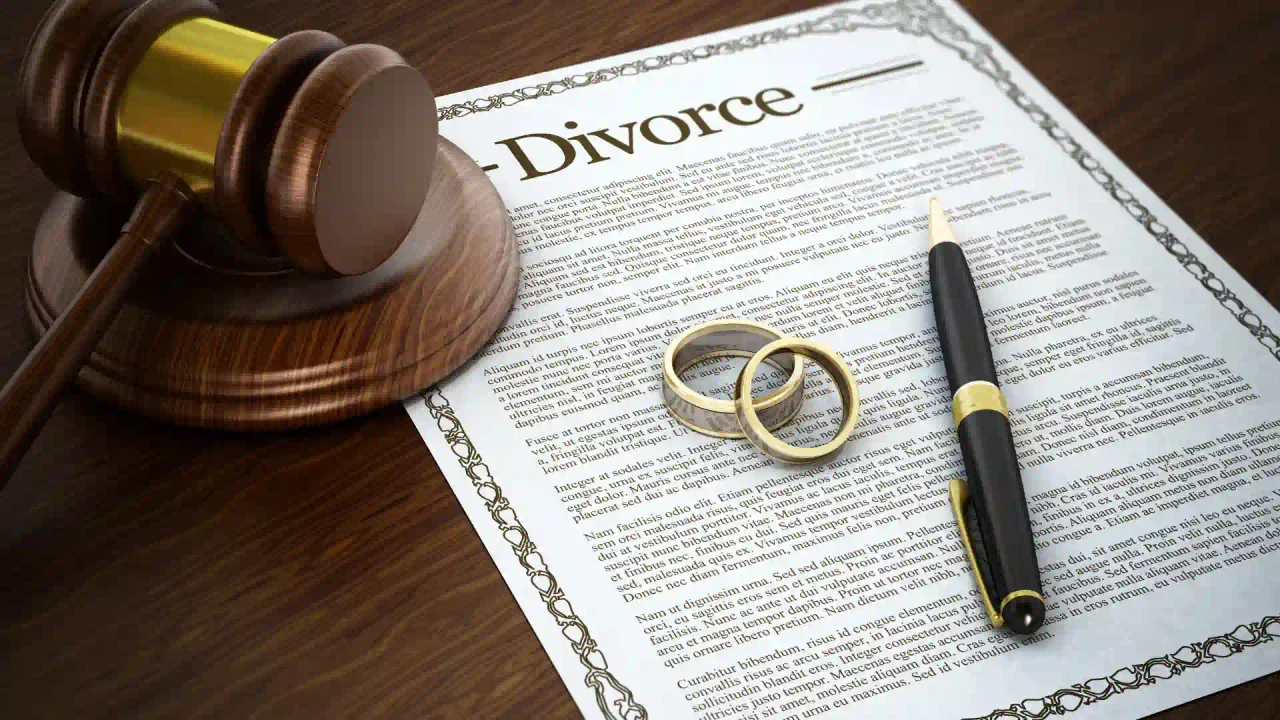

Ending a marriage is a significant personal decision that often involves emotional, financial, and legal challenges. Along with deciding how to move forward, couples may need to understand the paperwork required to begin the legal process, address shared responsibilities, and establish arrangements for their children. Knowing which documents are necessary and how they are used can make an unfamiliar process easier to manage. Proper preparation also helps reduce avoidable delays and misunderstandings during court proceedings.
In India, the legal process for divorce depends on the circumstances of the marriage, the applicable personal law, and whether both spouses agree to separate. Some couples pursue mutual consent divorce, while others must resolve disagreements through contested proceedings. Divorce papers may include petitions, marriage records, identity documents, financial statements, and supporting evidence, depending on the case. Understanding these categories before filing can help individuals prepare more confidently, protect their interests, and make informed decisions about their future.
This guide explains the purpose of divorce documentation, the common documents involved, the difference between mutual and contested proceedings, and the practical considerations that matter when preparing an application. Because legal requirements vary according to jurisdiction and individual circumstances, the information below is a general guide rather than a substitute for advice from a qualified family-law professional.
Understanding Divorce Papers and Their Legal Purpose
Divorce documentation refers to the formal paperwork used to request the dissolution of a marriage and resolve related legal matters. These documents communicate the grounds for divorce where required, provide relevant information about both spouses, and help the court understand the issues that need to be addressed. Depending on the case, the paperwork may also cover child custody, financial support, maintenance, and the division or settlement of shared assets.
The purpose of these documents extends beyond simply ending a marriage. They create an official record of the proceedings and help establish what each party has requested from the court. For example, if a couple has children, the court may need information about their living arrangements, education, and financial needs before making decisions about custody or support. Similarly, financial records may become important when either spouse requests maintenance. Accurate and complete documentation allows the court to assess the circumstances more effectively and reduces the risk of disputes caused by missing or inconsistent information.
It is important to understand that preparing paperwork does not automatically mean a divorce has been legally completed. A petition begins or supports the legal process, while a final court decree or other legally recognized outcome establishes the result according to the applicable law. Couples should therefore distinguish between filing an application, attending required proceedings, and obtaining the final legal order.
Types of Documents Required for Divorce in India
The documents required for divorce depend on the applicable law and whether the spouses agree on the terms of separation. Under the Hindu Marriage Act, 1955, and the Special Marriage Act, 1954, for example, specific provisions govern divorce proceedings for marriages covered by those laws. Other personal laws may establish different procedures and requirements. The court where the case is filed may also have particular filing rules, so it is sensible to confirm the current requirements before submitting an application.
The following table outlines common document categories and explains why they may be needed. Not every document is mandatory in every case, and the court may request additional records depending on the circumstances.
| Document | Purpose |
|---|---|
| Marriage certificate or marriage proof | Helps establish that the marriage took place. |
| Identity and address documents | Help verify the identities and addresses of the spouses. |
| Divorce petition | States the legal request and relevant facts of the case. |
| Photographs and marriage records | May support identification or establish details of the marriage. |
| Income and financial records | May help assess maintenance or financial support claims. |
| Children’s birth certificates | Help establish parentage where children are involved. |
| Supporting evidence | May substantiate allegations or disputed facts in contested cases. |
Marriage Certificate and Proof of Marriage
A marriage certificate is a useful document because it provides official evidence of the marriage. It may contain the names of the spouses, the date of marriage, and registration details. If the certificate is unavailable, other records may sometimes help establish the marriage, depending on the applicable law and court requirements. Couples should avoid assuming that the absence of a certificate makes divorce impossible; the appropriate procedure depends on the circumstances and the evidence available.
Identity, Address, and Supporting Records
Identity documents and proof of residence help establish who the parties are and may assist in determining the appropriate court jurisdiction. Depending on the case, acceptable records may include government-issued identity documents, address evidence, and copies of relevant marriage records. Applicants should check the filing court’s requirements rather than assuming that one particular document is sufficient for every purpose. Copies should be legible, personal details should be consistent, and original documents should be kept safely for verification when necessary.
Mutual Consent Divorce: Documents and Procedure
A mutual consent divorce is generally pursued when both spouses agree that the marriage should end and are willing to follow the applicable legal procedure. Under Section 13B of the Hindu Marriage Act, 1955, eligible couples can seek divorce by mutual consent subject to the statutory requirements. Other laws may provide different provisions for mutual consent. The spouses generally need to agree on the separation and address relevant matters such as maintenance, child custody, and financial arrangements.
Preparing the application carefully can make the process more manageable. The petition typically contains information about the marriage, the parties, their decision to separate, and the required legal statements. Supporting records may include proof of marriage, identity and residence documents, photographs where required, and a written settlement covering agreed financial and parenting arrangements. The exact list varies by court and applicable law, so applicants should confirm the required format and supporting papers before filing.
The process generally involves submitting a joint petition, attending the required court proceedings, and satisfying the legal conditions for a final decree. Under certain laws, a waiting period may apply, although courts can have discretion to waive a statutory cooling-off period where legally permitted and where the relevant conditions are satisfied. A waiver is not automatic. Couples should also understand that a settlement should be clear about financial obligations, children’s welfare, and any other outstanding matters rather than relying solely on verbal promises.
Contested Divorce: When Spouses Disagree
A contested divorce arises when one spouse seeks a divorce and the other does not agree, or when the parties disagree over important issues or allegations. Under laws such as the Hindu Marriage Act, the applicant must establish a legally recognized ground for divorce and follow the relevant court procedure. Depending on the facts, the issues may involve cruelty, desertion, adultery, or another ground recognized under the applicable law. The availability and legal interpretation of each ground depend on the statute and the circumstances of the case.
In these situations, divorce papers may include a detailed petition describing the relevant facts, responses filed by the other spouse, applications for interim relief, and evidence supporting the parties’ respective positions. Evidence may consist of communications, financial records, medical records, witness statements, or other material that is lawfully obtained and relevant to the dispute. Not every allegation requires the same type of proof, and courts assess evidence according to the applicable legal standards. Documents should be authentic, organized, and preserved without alteration.
Contested proceedings may take longer because the court may need to consider responses, hear arguments, evaluate evidence, and decide disputed questions. Issues involving child custody, maintenance, residence, or property can also require separate consideration. A person facing a contested case should pay attention to court notices and filing deadlines, maintain copies of submitted documents, and seek legal advice about how to respond. Ignoring a notice or missing a hearing can complicate the proceedings.
How to Prepare Divorce Papers Correctly
Preparing legal documents requires attention to detail because incorrect information or missing records can lead to requests for clarification and unnecessary delays. Begin by gathering the marriage details, personal information of both spouses, relevant dates, and records connected to the issues involved. If children are involved, collect the necessary information about their education, living arrangements, and expenses. If financial support is being discussed, organize income statements, bank records, and evidence of regular household expenses where relevant.
The petition should present the facts clearly and consistently. Names, addresses, dates, and other identifying details should match the supporting records wherever applicable. If the case involves allegations, statements should be factual and supported by relevant evidence rather than exaggerated or based on assumptions. Applicants should also check whether affidavits, prescribed forms, verification statements, court fees, or additional copies are required by the relevant court. Since filing practices can vary, a qualified lawyer can help ensure the documents follow the appropriate legal format.
Common Mistakes to Avoid
Even when the circumstances appear straightforward, small mistakes can create complications. Before submitting documents, review the paperwork carefully and ensure that the information is accurate. The following practices can help:
-
Check names, dates, addresses, and marriage details for consistency.
-
Keep clear copies of every document submitted to the court.
-
Do not omit relevant financial information when disclosure is required.
-
Preserve original evidence and avoid altering messages or records.
-
Read court notices carefully and follow applicable deadlines.
These precautions cannot guarantee a particular outcome, but they can help make the process more organized and reduce avoidable administrative problems.
Child Custody, Maintenance, and Financial Settlements
Divorce proceedings may involve several matters beyond the legal termination of the marriage. If the spouses have children, the court may need to consider their welfare, education, health, living arrangements, and relationship with each parent. Parents may agree on a proposed arrangement, but the court’s consideration of the child’s best interests remains important under the applicable law. Relevant documentation can include birth certificates, education expenses, medical bills, and information about each parent’s ability to provide appropriate care.
Financial support is another important consideration. Depending on the applicable law and circumstances, either spouse may seek maintenance or other financial relief. Documents showing income, employment, assets, liabilities, and ordinary living expenses may be relevant when the court evaluates such requests. A person who is self-employed, receives irregular income, or has multiple sources of earnings may need to organize additional records to present an accurate financial picture.
Property and settlement issues should also be considered carefully. Couples may have joint bank accounts, loans, investments, household possessions, or jointly owned property. A written settlement can help clarify agreed responsibilities, but its legal effect depends on the applicable law, the terms, and any necessary court approval. People should avoid signing an agreement they do not understand or making financial concessions under pressure. Independent legal advice can help each spouse understand the implications before accepting final terms.
How Long Does the Divorce Process Take?
There is no single timeline that applies to every divorce in India. The duration depends on the applicable law, the court’s workload, the completeness of the filing, and whether the spouses agree on the relevant issues. Mutual consent proceedings may be comparatively straightforward when the statutory conditions are satisfied and both parties remain in agreement. However, required procedural steps and waiting periods can still affect the timeline.
Contested cases may take considerably longer because the court may need to examine evidence, consider applications, hear witnesses, and resolve disagreements. Delays can also arise when documents are incomplete, parties fail to attend hearings, or additional issues require separate consideration. Anyone planning around a particular date should avoid assuming that filing a petition will automatically produce a final decree within a fixed period. A lawyer familiar with the relevant court can provide a more realistic assessment based on the case.
Can You File for Divorce Without a Lawyer?
Whether a person can manage a divorce case without a lawyer depends on the applicable procedure, the nature of the dispute, and the court’s requirements. Some individuals may be able to handle relatively straightforward procedural tasks themselves, while others may find it difficult to prepare a legally sufficient petition, understand statutory requirements, or respond to contested allegations. Self-representation does not remove the obligation to follow the relevant law and court rules.
Legal assistance can be particularly valuable when the case involves children, significant assets, domestic violence concerns, disputed maintenance, complicated financial arrangements, or disagreement about the grounds for divorce. A lawyer can help identify the applicable legal provisions, prepare the petition, organize supporting evidence, and explain possible consequences of settlement terms. Individuals who cannot afford private representation may explore eligibility for free legal aid through the appropriate legal services authority in India.
Conclusion
Understanding the documentation involved in divorce can help people approach a difficult life transition with greater clarity. From proof of marriage and identity records to petitions, financial disclosures, and supporting evidence, each document serves a particular purpose in the legal process. The required paperwork depends on the applicable law, the nature of the dispute, and whether both spouses agree on the terms of separation. Before submitting divorce papers, applicants should verify the relevant court’s requirements, organize their records, and review all information for accuracy. They should also consider the practical implications of maintenance, child custody, property, and other responsibilities that may continue after the marriage ends. Careful preparation can reduce avoidable complications and help both parties understand the steps ahead.