

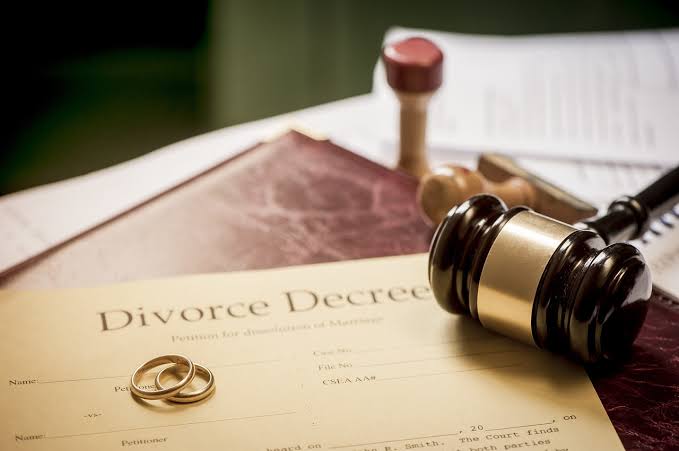

Ending a marriage is a significant personal and legal decision that can bring emotional challenges, financial concerns, and uncertainty about the future. Understanding the paperwork involved can make the process easier to navigate. Whether a couple agrees to separate amicably or faces disagreements about finances, children, or property, the right documentation helps establish the facts, clarify responsibilities, and support the legal process. Knowing which forms are required, how to prepare them, and when to submit them can prevent unnecessary delays and confusion.
In India, the process of divorce depends on the applicable personal law, the circumstances of the marriage, and whether both spouses agree to end the relationship. For example, couples seeking a mutual consent divorce generally follow a different procedure from those in which one spouse contests the separation. The documents required may also differ depending on issues such as maintenance, child custody, jointly owned property, and the length of the marriage. This guide explains the main types of paperwork, the preparation process, common mistakes, and practical considerations that can help individuals approach the legal procedure with greater confidence.
What Are Divorce Papers?
Divorce papers are legal documents used to initiate, support, and complete the process of dissolving a marriage. They may include a divorce petition, marriage certificate, identity documents, address proof, financial records, statements of agreement, and other supporting evidence. These documents help the court understand the background of the marriage, the grounds for seeking divorce where applicable, and the arrangements proposed for matters such as maintenance, property division, and children.
The exact paperwork depends on the applicable law and the facts of the case. In India, for instance, the Hindu Marriage Act, 1955, and the Special Marriage Act, 1954, contain provisions relevant to divorce for different categories of marriages. Other personal laws may apply depending on the spouses and their marriage. Consequently, there is no single universal form that every couple can use in every situation. Identifying the correct legal procedure before preparing documents is an important first step.
Types of Divorce and Their Documentation Requirements
Mutual Consent Divorce
A mutual consent divorce generally applies when both spouses agree that the marriage should end and are prepared to seek a divorce through the applicable legal procedure. Under Section 13B of the Hindu Marriage Act, 1955, eligible couples may petition for divorce by mutual consent if the statutory conditions are satisfied. The Special Marriage Act, 1954, also contains a mutual consent provision. Other laws may prescribe different requirements.
In a mutual consent case, the spouses usually prepare a joint petition and provide information about their marriage, separation, and agreement to dissolve the marriage. Depending on the circumstances, the settlement may address financial support, permanent alimony, child custody, visitation, and the treatment of jointly held assets. A written agreement can help reduce misunderstandings, but the court must still consider the applicable legal requirements. A waiting period may apply, although a court can waive the statutory cooling-off period in qualifying cases under the relevant law.
Contested Divorce
A contested divorce arises when one spouse seeks a divorce and the other does not agree, or when the parties disagree about the legal grounds or related matters. Depending on the applicable law, the petition may rely on grounds such as cruelty, desertion, or other legally recognized circumstances. The availability and definition of each ground depend on the law governing the marriage.
This type of case can require more extensive documentation than a mutual consent proceeding. The petitioner may need to provide a detailed account of the relevant events and supporting material, while the other spouse may file a response. Messages, correspondence, medical records, financial documents, witness statements, or other evidence may become relevant when legally admissible and connected to the issues before the court. Documents should be collected lawfully, preserved accurately, and submitted according to court procedures rather than selected or altered to create a misleading impression.
Essential Documents Required for a Divorce Case
Preparing the necessary paperwork early can make it easier for a lawyer to assess the case and identify missing information. Requirements vary by court, applicable law, and individual circumstances, so the following documents should be treated as a general preparation guide rather than a universal checklist.
Commonly requested documents may include:
- Marriage certificate or other acceptable proof of marriage.
- Identity and address documents for both spouses, where available and required.
- Recent photographs and information about the date and place of marriage.
- Details of the period of separation and the current residential addresses.
- Income records, bank statements, employment information, and relevant financial disclosures.
- Children’s birth certificates and information about their schooling and care, where applicable.
Not every case requires every item, and additional paperwork may be necessary. If the marriage certificate is unavailable, ask a lawyer or the relevant court registry what alternative evidence is acceptable. Similarly, financial disclosure requirements may depend on whether maintenance or alimony is being requested. Preparing a clear, organized file can help reduce repeated requests for information and make it easier to identify inconsistencies before submission.
Understanding the Main Legal Documents
The paperwork involved in a divorce serves different purposes. A petition explains the request for divorce and the relevant facts. Supporting documents establish details such as the marriage, residence, finances, or circumstances relied upon by a party. Additional applications may ask the court to address temporary maintenance, child custody, visitation, or other urgent matters while the main case is pending.
| Document | Main purpose | When it may be needed |
|---|---|---|
| Divorce petition | Formally requests dissolution of marriage | At the start of the case |
| Marriage certificate or proof | Establishes the marriage details | Usually during filing or verification |
| Identity and address proof | Helps verify the parties and relevant jurisdictional details | As required by court rules |
| Financial records | Helps assess income, expenses, assets, and support claims | When financial issues arise |
| Settlement agreement | Records agreed terms between spouses | In mutual consent or settled cases |
| Child-related records | Supports decisions concerning children’s needs and care | When children are involved |
| Supporting evidence | Helps establish disputed facts or legal grounds | Mainly in contested proceedings |
A document’s name, format, and filing requirements can differ across courts. The petition may also need an affidavit, verification statement, prescribed annexures, or other procedural material. Before signing, each spouse should read the documents carefully and confirm that personal details, dates, and financial information are accurate. If a settlement contains obligations involving money, property, or children, the parties should understand those obligations before agreeing to the terms.
How to Prepare and File Divorce Papers
Step 1: Identify the Applicable Law and Court
The first step is to determine which law governs the marriage and which court has jurisdiction. Relevant considerations may include where the marriage took place, where the spouses last lived together, and where either spouse currently resides. The applicable statutory rules and jurisdictional requirements must be checked for the particular case.
A lawyer can help determine the correct court and explain whether the case should be filed jointly or by one spouse. Filing in the wrong court or using an unsuitable procedure can result in objections and delays. It is also important to distinguish between the legal process for obtaining a divorce and informal agreements between spouses: an agreement alone does not necessarily dissolve a marriage legally.
Step 2: Collect Information and Supporting Records
Once the applicable procedure is clear, collect the documents relevant to the case. Verify names, dates, addresses, marriage details, and other identifying information against available records. If the parties have children, organize information about their living arrangements, educational needs, healthcare, and financial support. Where maintenance or alimony is involved, gather accurate information about income, recurring expenses, assets, and liabilities.
Keep original documents secure and prepare copies in the format required by the court. Do not submit altered records or exaggerate claims. If a document is missing, ask about acceptable alternatives rather than assuming that the application cannot proceed. An organized record of important dates and events can also help when explaining the circumstances of a contested case to legal counsel.
Step 3: Draft, Review, and Sign the Petition
The petition should present the relevant facts clearly and follow the requirements of the applicable law. It generally identifies the parties, describes the marriage, explains the basis for seeking divorce, and states the relief requested. In a mutual consent case, it should reflect the parties’ genuine agreement and comply with the relevant statutory conditions.
Before signing, review every page and supporting annexure. Confirm that the petition does not contain contradictory dates, incomplete information, or terms that differ from the intended settlement. Depending on the procedure, signatures, verification, affidavits, notarization, or other formalities may be required. A lawyer can review the draft and explain any legal consequences that are not immediately obvious.
Step 4: Submit the Documents and Follow Court Directions
After the petition is prepared, it is submitted to the appropriate court through the prescribed process. Some courts may permit electronic filing for particular documents or proceedings, while others require physical submission or additional formalities. Filing fees, document formats, service requirements, and administrative checks depend on the jurisdiction and case type.
Once the case is registered, the court may issue directions regarding notices, responses, appearances, evidence, or further hearings. Keep copies of the filed petition, acknowledgments, case details, and subsequent orders. Respond promptly to requests from the court or your lawyer, because missed deadlines and incomplete submissions can complicate the proceedings.
How Long Does the Divorce Process Take?
The duration depends on the type of case, the applicable law, the court’s schedule, and whether the parties agree on related issues. A mutual consent proceeding may be more straightforward when both spouses cooperate and the required conditions are met. However, it is not automatically completed on the date the petition is submitted. Statutory waiting periods, hearings, and other legal requirements may apply.
A contested case can take considerably longer when the parties dispute the grounds for divorce, financial support, child custody, or evidence. Adjournments, incomplete documentation, and difficulties serving notices may also affect the timeline. Rather than relying on a fixed estimate, individuals should ask about the likely procedural stages in their particular court and prepare for the possibility that the schedule may change.
Common Mistakes to Avoid When Preparing Divorce Documents
Errors in legal paperwork can lead to objections, requests for corrections, avoidable expenses, and delays. Some mistakes arise because people use an old template without checking whether it matches their case. Others occur when spouses rush to sign a settlement without understanding its long-term effects. Careful preparation and legal review can reduce these risks.
Before filing, pay particular attention to the following issues:
- Using an incorrect legal procedure or filing in the wrong court.
- Providing inconsistent personal details, dates, or financial figures.
- Leaving out relevant documents or failing to follow required formalities.
- Signing settlement terms without understanding their financial or parenting consequences.
- Submitting misleading information or evidence obtained through improper means.
Another common problem is assuming that divorce paperwork automatically settles every connected dispute. Matters such as child custody, maintenance, domestic violence proceedings, or ownership of property may require separate applications or decisions, depending on the circumstances. The parties should confirm which issues are covered by the petition and which require additional legal steps. Keeping written records of communications and retaining copies of all filed material can also help prevent confusion later.
The Importance of Legal Advice and Financial Planning
Although some individuals prepare preliminary paperwork themselves, legal advice can be valuable when determining the applicable law, identifying relevant grounds, and understanding court procedure. Professional assistance is particularly important when the case involves allegations of abuse, complex assets, business ownership, international residence, disputed income, or disagreements about children. A lawyer can also explain which statements should be included in the petition and which issues may require separate proceedings.
Financial planning deserves equal attention. Separation can affect housing, household expenses, debts, insurance, savings, and future support obligations. Before finalizing a settlement, consider the practical consequences of proposed payments, asset transfers, and arrangements for children’s expenses. Avoid signing blank forms or relying on verbal promises for important matters. The goal is to ensure that the documents reflect a clear, lawful, and workable understanding of the parties’ responsibilities.
Conclusion
Understanding the paperwork required to end a marriage can make an unfamiliar legal process more manageable. From identifying the applicable law and gathering essential records to preparing a petition and following court directions, each stage requires accurate information and careful attention. The appropriate documents depend on whether the case involves mutual consent or a contested divorce, as well as the financial, family, and legal circumstances of the spouses. Divorce papers should never be treated as mere formalities. They can affect important matters involving financial support, property, parenting arrangements, and the legal status of a marriage. Taking time to verify information, organize supporting evidence, and obtain qualified legal advice can help reduce avoidable complications. Because Indian divorce procedures vary according to the applicable law and individual facts, confirm current requirements with a qualified family-law advocate or the relevant court before filing. A well-prepared approach can help individuals protect their interests and move forward with greater clarity.